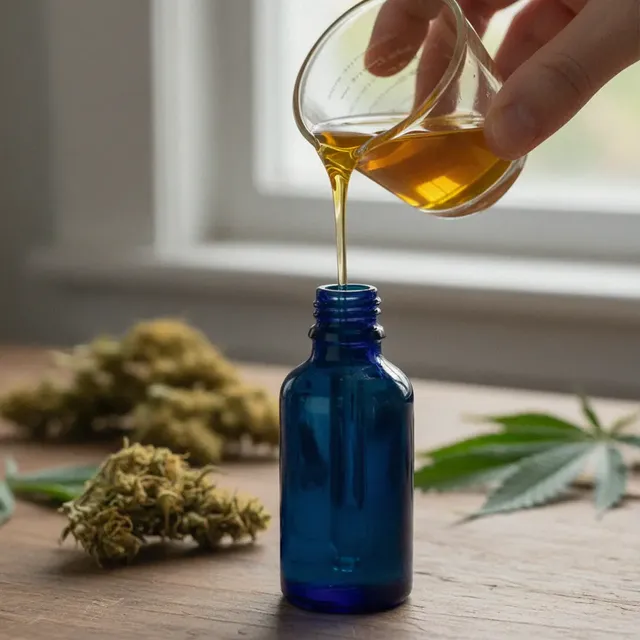
How to Make Cannabis Oil at Home
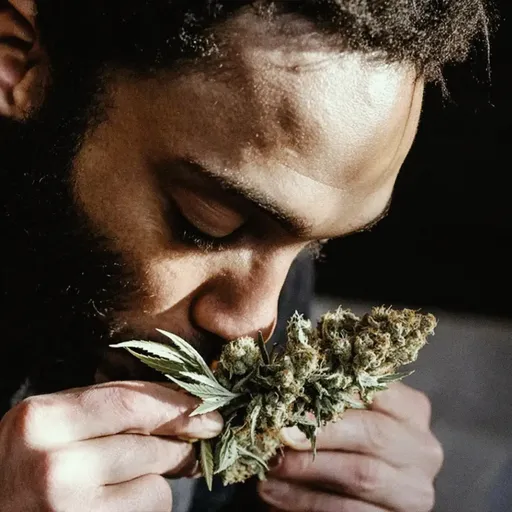
Cannabis oil is already one of the most powerful tools in a witchy cannabis kitchen, but when you make cannabis oil at home, you turn a simple infusion into a personal ritual. As a Cannawitch, I am not just cooking; I am crafting a plant-powered oil that is tuned to my body, the mood I want to create, and can be used to make delicious edibles.

Clare La Feber-Toolis
The Cannawitch
Table of contents
How to Make Cannabis Oil: The Ultimate Guide for Home Infusion
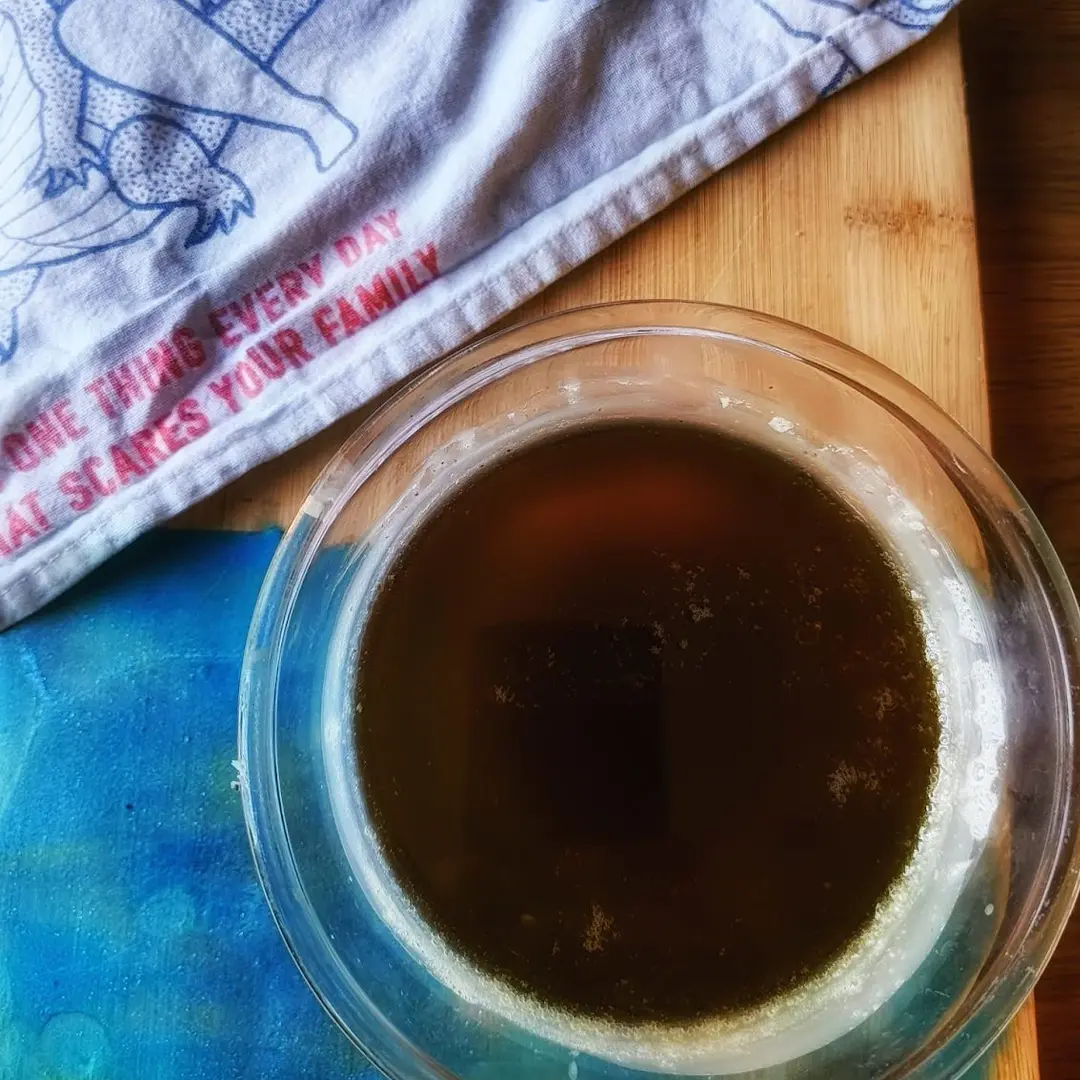
Cannabis oil, also known as canna oil or weed oil, is one of the most useful ingredients in any cannabis-friendly kitchen. Whether you are baking, cooking savory meals, making gummies, or preparing topicals, infused oil provides a smoke-free way to enjoy the benefits of THC, CBD, or both. Learning how to make cannabis oil at home gives you complete control over strength, strain, and oil type, and it allows you to tailor your infusions to your needs and taste preferences.
Homemade cannabis oil is popular with both recreational users and medical cannabis patients, as it is cheaper to make your own weed oil. It is discreet, long-lasting, and easy to use in recipes or on its own. Once you understand how infusion works, you can make a batch of canna oil that suits your personal tolerance and desired effects. This guide covers everything from oil choices and infusion temperature to dosing and storage. It includes stovetop methods as well as alternatives like slow cookers and sous vide. Whether you are new to infusions or just want to refine your technique, this is your complete guide to making effective cannabis oil.
Why Make Your Own Cannabis Oil?
Store-bought edibles can feel like a guessing game, with doses that are either too strong, too weak, or just not right for your body. When you infuse your own oil, you choose the cultivar, THC and CBD balance, and carrier oil that match your intentions, whether you are chasing sleep, pain relief, creativity, or a fun evening with friends. You also stretch your stash much further and get repeatable, predictable results in your kitchen, batch after batch.
Understanding Decarboxylation (The Decarb Spell)
Raw cannabis carries THCA and CBDA, which are like sleeping dragons until you wake them with heat. This is also why raw THCa Flower behaves differently before heating than it does after smoking, vaping, or cooking. Decarboxylation is that awakening, transforming THCA into THC and CBDA into CBD, so your oil actually has the effects you are hoping for once it lands in brownies, gummies, or bedtime tea. Taking the time to decarb before infusion is the difference between a fragrant but weak oil and a truly potent kitchen staple that does what you brewed it to do.
Our Bestsellers

Choosing the Best Oil for Canna Oil
The oil you pick becomes the backbone of your infusion, shaping flavor, texture, and how cannabinoids behave in your body. Choosing the right carrier oil is key. Different oils bring different flavors, smoke points, and storage lives to the table, so match your oil to how you plan to use your cannabis infusion.
Coconut oil is fantastic for gentle infusions. Rich in saturated fat, it binds beautifully to cannabinoids, making it good for gummies, brownies, or capsules.
Olive oil is perfect for savory dishes like salad dressings or pasta, but its smoke point is a bit lower, so heat it gently.
Avocado oil is your high-heat buddy, great for roasting or frying thanks to its high smoke point. If I want to make canna-burgers or fry a “high” steak, this is the ideal oil.
MCT oil stays liquid at room temperature and has a neutral flavor, which makes it ideal for gummies.
Ideal Temperatures for Cannabis Oil Infusion
Every oil has a smoke point, and once you cross it, things start to go wrong: off flavors, damaged cannabinoids, and lost terpenes. Keeping a close eye on your canna oil infusion time and temperature protects THC, CBD, and aromatics so they stay in your cannabis oil instead of burning off into the air. A simple thermometer and low, steady heat are your best allies for clean, potent, witch-approved cannabis oil.
Keep the infusion between 160–180 °F (about 70–82 °C).
| Oil Type | Smoke Point (°F / °C) | Infusion Temp (°F / °C) | Flavor Profile | Best Uses | Storage Tips |
|---|---|---|---|---|---|
| MCT Oil | 320°F / 160°C | 160–180°F / 70–82°C | Neutral, light | Sublinguals, capsules, gummies, brownies, smoothies, coffee | Cool, dark pantry |
| Coconut Oil | 350°F / 177°C | 160–180°F / 70–82°C | Mild coconut | Baked goods, chocolates, topicals | Refrigerate for longevity |
| Olive Oil | 375°F / 190°C | 160–180°F / 70–82°C | Earthy, fruity | Dressings, dips, low-heat dishes | Dark bottle, room temp |
| Avocado Oil | 520°F / 270°C | 160–180°F / 70–82°C | Rich, buttery | Roasting, frying, sautés, savory infusions | Pantry or fridge |
| Ghee (Clarified Butter) | 350°F / 177°C | 160–180°F / 70–82°C | Buttery, nutty | Brownies, cookies, curries, savory edibles | Refrigerate 1–2 months |
| Butter | 300°F / 150°C | 160–180°F / 70–82°C | Rich butter | Baking, sauces, desserts | Refrigerate or freeze |
| Grapeseed Oil | 420°F / 215°C | 160–180°F / 70–82°C | Very light, neutral | Dressings, sautés, medium-heat infusions | Keep in fridge |
How to Calculate the THC in Your Canna-oil
To calculate the total THC in your batch, use the standard formula:
Cannabis weight in grams x THC percentage x 1,000
I used 5 grams of Gruntz, at around 27% THC. So every time you make cannabis oil at home, take into account the strength of the cannabis.
5 grams x 0.27 x 1,000 = 1,350 milligrams of THC in the entire batch
A standard cup of oil contains 48 teaspoons. 1,350 mg THC divided by 48 teaspoons = about 28 mg THC per teaspoon
Per tablespoon (3 teaspoons): 28 mg x 3 = approximately 84 mg THC per tablespoon
If you prefer a smaller serving, here is the potency per milliliter of oil: 1 cup equals 240 milliliters 1,350 mg divided by 240 = about 5.6 mg THC per milliliter
If you want a lower dose, you can dilute the oil with additional unmedicated oil. For example, doubling the amount of oil will reduce the potency by half.
Dosing Notes If you are new to edibles or prefer a lighter effect, start with 5 to 10 milligrams of THC. With this oil, that equals about 1 to 2 milliliters or a quarter to half teaspoon.
How to Make Canna-oil on the Stovetop
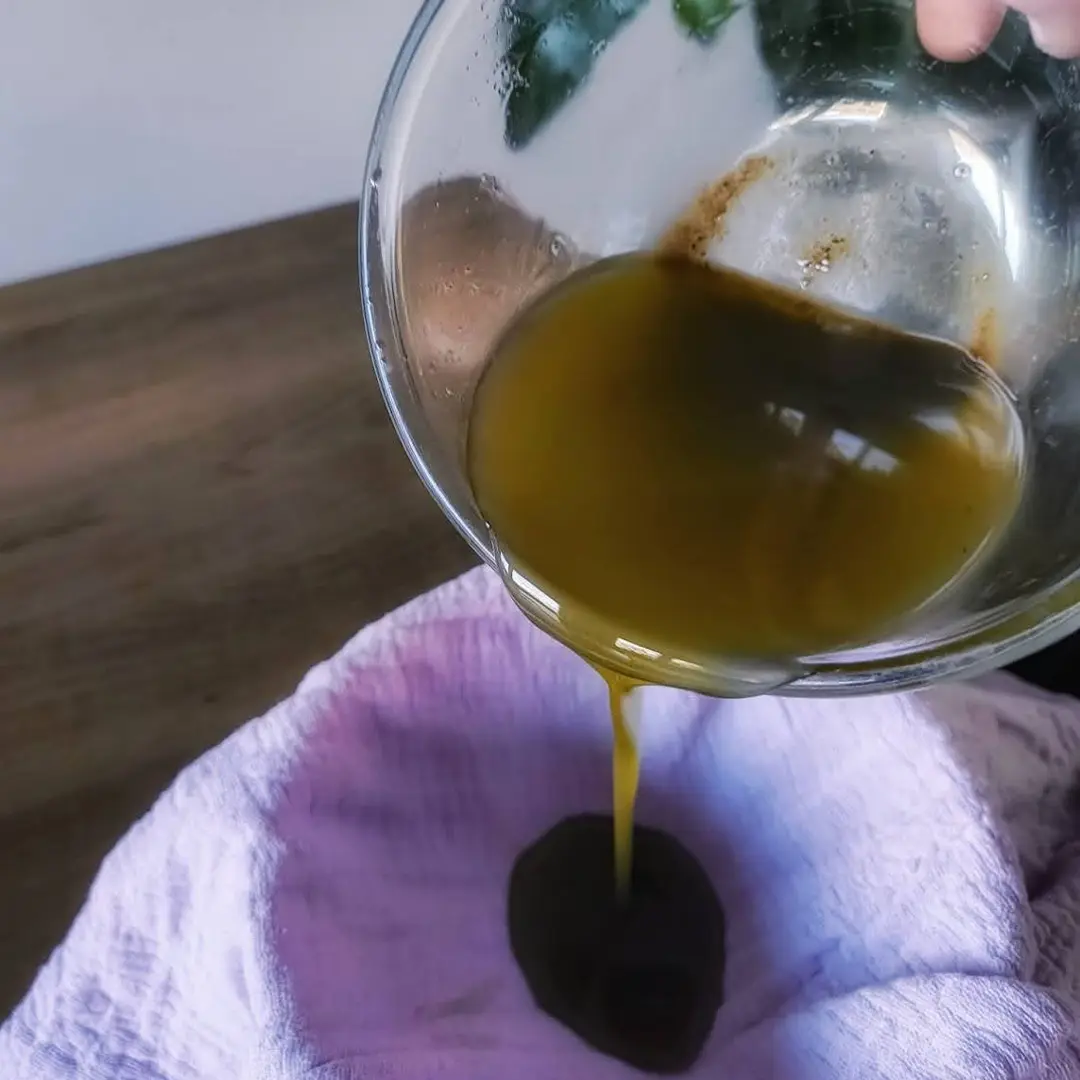
This recipe makes a small batch of potent, versatile cannabis oil suitable for edibles, tinctures, capsules, or adding to food. It follows the same slow and steady infusion method recommended for reliable potency and smooth flavor. Before you make the canna-oil, consider your tolerance, and if sharing, the tolerance of the other person.
What You Need to Make Canna-oil on Your Stove :
For 5 grams of decarboxylated cannabis flower, I used Gruntz. It’s a nice euphoric strain, good for socializing, and has a sweet taste.
1 cup oil (240 milliliters or about 215 grams) such as MCT, coconut, olive, or avocado oil
1 teaspoon sunflower lecithin (optional but very helpful for absorption)
How to Make Stovetop Cannabis Oil
Combine the decarboxylated cannabis, your chosen oil, and lecithin in a mason jar or heat-proof bowl.
Place the jar or bowl into a pot of water on the stovetop. Keep the water temperature between 160–180°F (70–82°C).
Infuse for 2 to 4 hours, stirring occasionally. Make sure it doesn’t boil.
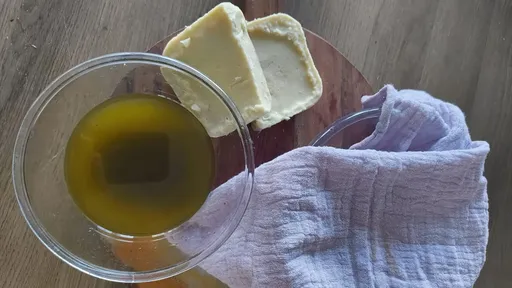
Let the oil cool slightly, then strain through a fine mesh strainer or cheesecloth into a clean glass jar.
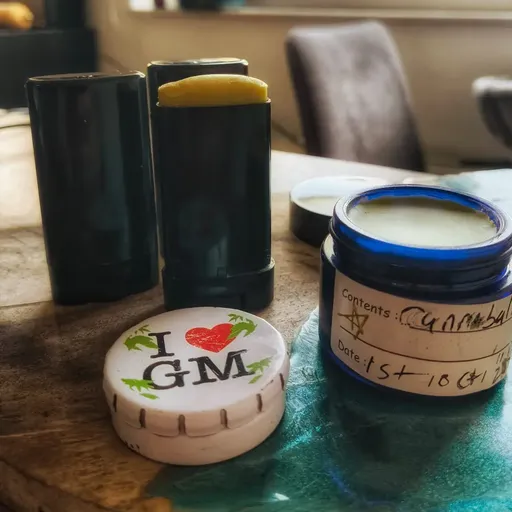
Label the jar with the date, THC%, and strain information. Store in a cool, dark place or refrigerate for a longer shelf life.
How to make sous vide cannabis oil
If you like precision, sous vide is the kitchen familiar you want at your side. Sealing cannabis and oil in a jar or bag and holding it at a set temperature for several hours gives you consistent, terpene-friendly results with almost no babysitting. Slow cookers and infusion machines offer the same low-and-slow energy, making it easy to tuck your potion away and come back later to clean, potent cannaoil.
Easy sous vide cannabis oil recipe
What you need to make sous vide cannaoil
5 grams decarboxylated cannabis flower
1 cup (240 ml) carrier oil (such as coconut, MCT, or olive oil)
1 teaspoon sunflower lecithin (optional, for smoother, more even edibles)
Heat-safe mason jar with lid
Sous vide immersion circulator and large pot or sous vide container
Tongs or jar lifter
Cheesecloth or fine mesh strainer
Clean glass jar or bottle for storage
How to make cannabis oil in a sous vide
Decarb your cannabis first in the oven at about 230–245°F (110–118°C) for 30–40 minutes, then let it cool.
Add decarbed cannabis and your chosen oil (like coconut or MCT) to a mason jar, leaving a little headspace, and seal the lid finger-tight.
Fill a pot or sous vide container with water, clip in your immersion circulator, and set it to about 185°F (85°C).
Submerge the jar in the water bath and infuse for 3–4 hours, keeping the temperature steady.
Carefully remove the jar, let it cool slightly, then strain through cheesecloth or a fine mesh strainer into a clean jar and label it.
Crockpot Cannabis Oil
Making cannabis oil in a crockpot or infusion machine is all about gentle, steady heat. In a crockpot. An infusion machine takes this a step further by automating the process: you simply add decarbed cannabis and oil, choose a preset for oil, and let the device control temperature and time until your batch is ready to strain or pour. Both methods are forgiving, hands-off options that work well for larger batches and for anyone who prefers to “set it and forget it” while still ending up with consistent, potent cannabis oil.
How to make cannabis oil in a crockpot
Making canna oil in a crockpot is simple and forgiving because the heat stays low and steady.
What you need to make crockpot cannacoconut oil
5 grams decarboxylated cannabis flower
1 cup (240 ml) carrier oil (coconut, MCT, or olive oil all work well)
Crockpot (slow cooker) with “warm” or low setting
Heat-safe glass jar with lid (optional, for water-bath style)
Wooden spoon or spatula
Cheesecloth or fine mesh strainer
Clean glass jar or bottle for storage
Labels or tape and a marker
Water
How to make crockpot cannabis oil
Decarb your cannabis
Preheat the oven to about 230–245°F (110–118°C).
Spread roughly ground, dried cannabis on a parchment-lined baking tray.
Bake for 30–40 minutes, then let it cool completely.
Set up the crockpot
Turn the crockpot to “warm” or the lowest heat setting.
Either:
Add the oil, water and decarbed cannabis directly to the crock, or
Put oil and cannabis in a heat-safe jar, close it finger-tight, and place the jar in the crockpot with water around it (not inside the jar).
Combine cannabis and oil
Add 5 grams of decarbed cannabis to 1 cup (240 ml) of your chosen oil.
Stir to fully saturate the plant material.
Infuse low and slow
Let the mixture warm for 2–4 hours, keeping the lid on the crockpot.
Stir gently every 30–45 minutes if the cannabis is loose in the crock, or carefully swirl the jar if using the water-bath method.
Make sure the oil stays warm but never boiling (aim for a gentle, hot-to-the-touch range).
Cool and strain
Turn off the crockpot and let the oil cool until it is safe to handle.
Separate the water from the oil and pour the oil and bud mixture through cheesecloth or a fine mesh strainer into a clean jar, squeezing gently to get as much oil as possible without forcing plant bits through.
Label and store.
Storing Your Cannabis Oil Safely
Infused oil is still a perishable kitchen ingredient, so how you store it matters. A clean glass jar, kept away from light, heat, and excess air, helps protect potency and flavor for months, especially if you use the fridge or freezer for long-term keeping. If the oil ever smells off, looks moldy, or changes color dramatically in a way that concerns you, retire that batch and brew a fresh one.
Troubleshooting Common Cannabis Oil Problems
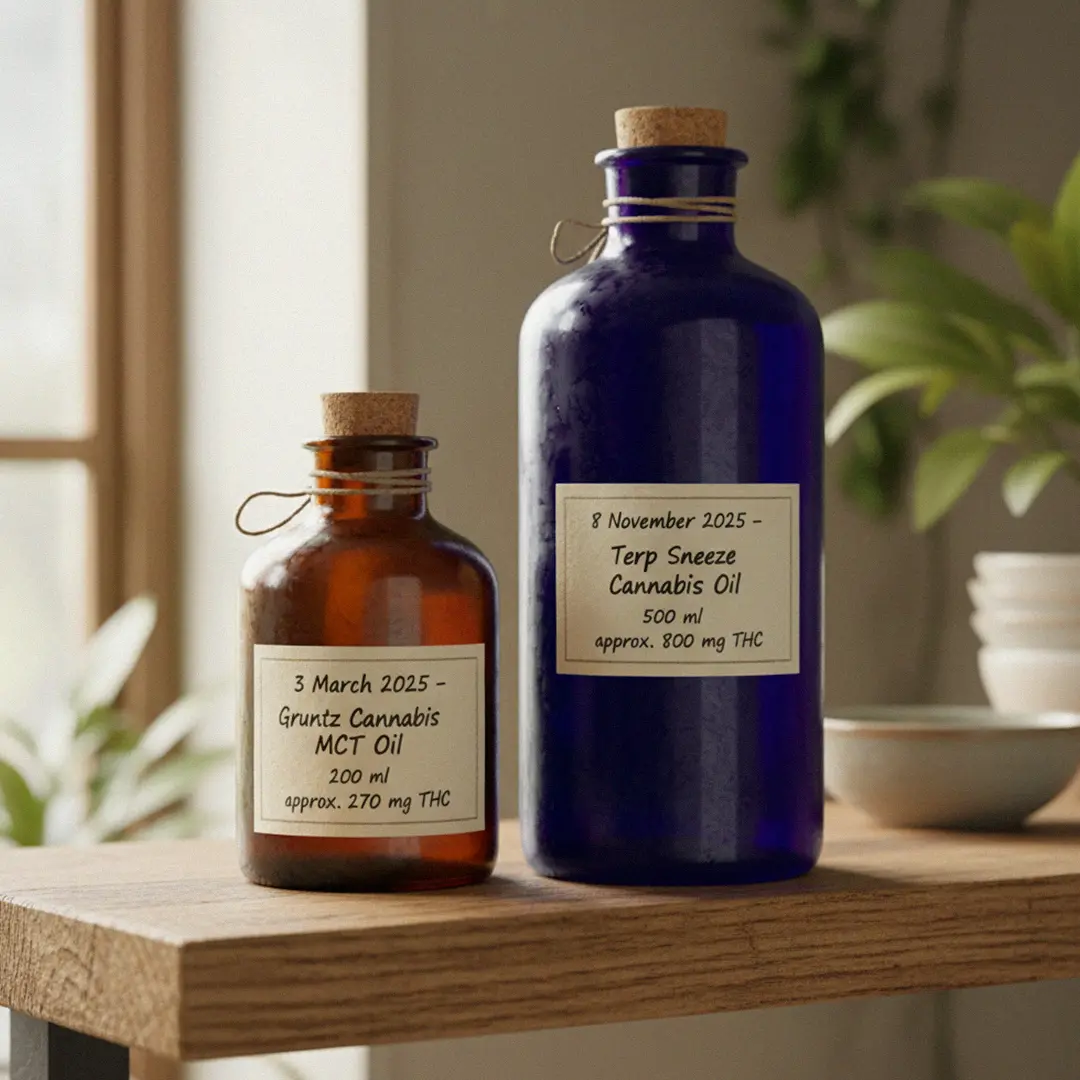
If you have cannacoconut oil turning brown, this means it ran a little too hot or sat on the heat for too long, and while some darkening is normal, a bitter, burnt flavor is a sign that the cannabinoids took a hit. If your oil separates or goes cloudy when chilled, especially with coconut oil, a gentle rewarm and stir usually brings it back together.
Making edibles using cannabis oil
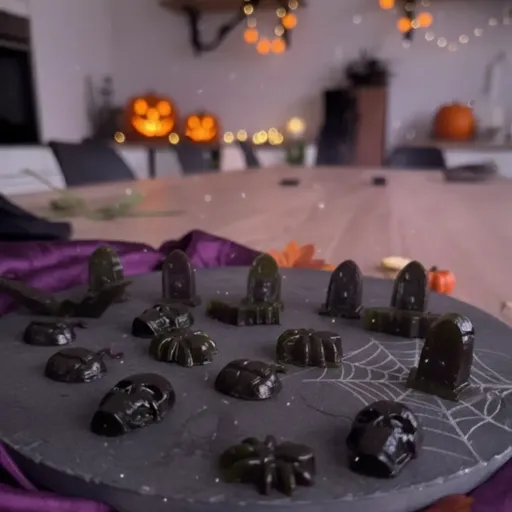
Once your canna oil is ready, it slides easily into daily life: stirred into brownie mix, melted into gummies, whisked into salad dressings, added to tea or coffee, or measured under the tongue before bed. You can replace all or just part of the fat in a recipe with infused oil, starting low to keep doses friendly while you test how your body responds. Over time, you will find your personal sweet spot of strain, strength, and oil type, turning each new batch into both a recipe and a ritual in your cannabis kitchen.

Continue Reading
You might also find these interesting.