
Cannabis Fertilizer & Nutrients
Cannabis fertilizer and nutrients feed your plants the macronutrients and micronutrients they need to grow strong and produce dense buds, in formulas built for soil and hydro grows. ILGM stocks nutrients made for cannabis, with free US shipping on orders over $50 to eligible adult buyers where lawful.


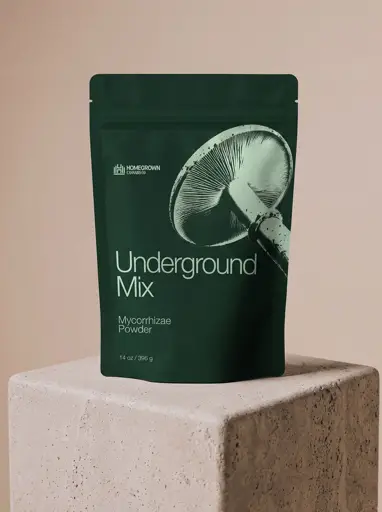
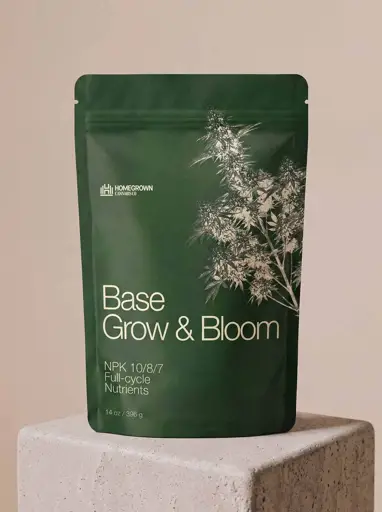

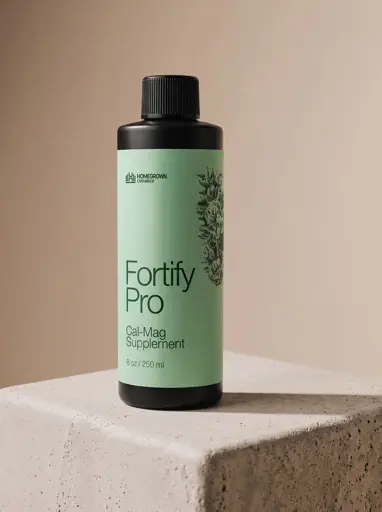

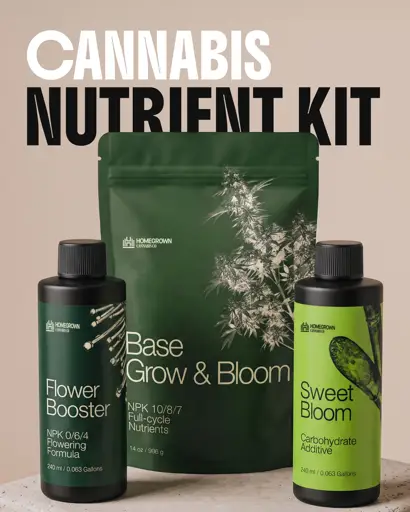
What Is Cannabis Fertilizer?
Cannabis fertilizer supplies the mineral nutrients that weed plants pull from soil or water to fuel growth, flowering and bud development. It splits into macronutrients and micronutrients.
Macronutrients are nitrogen, phosphorus and potassium, the three numbers printed as NPK on every bottle, and they build leaves, drive flowering and energy transfer, and regulate water movement and bud density.
Calcium, magnesium and sulfur are secondary nutrients, used in moderate amounts, while micronutrients like iron, zinc and manganese are needed only in trace quantities. Both groups are still essential, since a single deficiency can stall a plant even when NPK looks right.
Marijuana fertilizer, weed plant food and cannabis nutrients all name the same thing. The label that matters is the NPK ratio and whether the formula is built for vegetative growth or flowering.
What NPK Ratio Is Best for Cannabis?
The best NPK ratio for cannabis changes with the growth stage, so no single number fits the whole grow. NPK lists the percentage of nitrogen, phosphorus and potassium in the fertilizer, in that fixed order.
Vegetative plants need more nitrogen for leaf and stem growth, while flowering plants need more phosphorus and potassium for bud development. Reading the ratio against the stage is the core skill behind feeding cannabis well.
A high-nitrogen ratio near 3:1:1 suits early vegetative growth. A balanced ratio works through late veg as the plant prepares to flower. A bloom ratio that lowers nitrogen and raises phosphorus and potassium, such as 1:3:2, supports flowering and bud swell. The list below pairs each stage with a working NPK range.
Cannabis NPK Ratios by Growth Stage
Cannabis NPK ratios shift from nitrogen-heavy in early growth to phosphorus-and-potassium-heavy in flower. Treat these as starting ranges, because brand concentration and your growing medium shift the exact dose:
- Seedling — 1:1:1 (light dose): gentle feeding while roots establish
- Early vegetative — 3:1:1: leaf and stem growth driven by nitrogen
- Late vegetative — 2:1:2: balanced growth before the flowering switch
- Early flowering — 1:3:2: bud sites forming, phosphorus leads
- Peak flowering — 1:2:3: bud swell and density, potassium leads
- Late flowering — 0:1:2 (optional flush or taper): finishing buds, nitrogen backed off
Higher nitrogen early grows the frame of the plant, and higher phosphorus and potassium later fill that frame with flower. Match the ratio to what the plant is doing, and adjust down if leaf tips burn.
Best Fertilizer for Cannabis by Growing Medium
The best fertilizer for cannabis depends heavily on whether you grow in soil, hydroponics or outdoors, because each medium changes what the plant can find on its own. Soil holds some nutrients already, hydroponic water holds none, and outdoor ground varies by site.
Picking a fertilizer built for your medium prevents both deficiency and overfeeding. The three sections below cover soil, hydroponic and outdoor feeding.
- Soil nutrients: lighter feeding because the medium buffers and stores nutrients
- Hydroponic nutrients: complete formulas because water supplies nothing on its own
- Outdoor nutrients: bloom-focused feed timed to the natural flowering window
Best Cannabis Nutrients for Soil
The best cannabis nutrients for soil work with the medium rather than replacing it, because quality soil already holds nitrogen, phosphorus and potassium. Soil buffers pH and releases nutrients slowly, so soil-grown plants need lighter and less frequent feeding than hydro plants.
Overfeeding soil is the common beginner mistake, and it shows up as nutrient burn on leaf tips. Start at half the label dose and increase only if the plant signals hunger through pale lower leaves.
Best Hydroponic Nutrients for Cannabis
The best hydroponic nutrients for cannabis must supply every macronutrient and micronutrient, because water alone gives the plant nothing. Hydroponic and aeroponic plants depend entirely on the nutrient solution, so the formula is the plant's only food source. Ordinary soil fertilizers fail in hydro because they leave out trace elements the soil would normally provide.
Choose a fertilizer labeled for hydroponics and watch the solution's pH, since hydro plants react fast to imbalance.
Best Fertilizer for Outdoor Grows
The best fertilizer for an outdoor grow combines steady vegetative feeding with a bloom formula timed to the season's flowering window. Outdoor plants flower as daylight shortens in late summer, so the bloom feed steps up as the buds form. A high-potassium bloom fertilizer supports outdoor bud development the same way it does indoors.
Outdoor soil quality varies by site, so test how your ground holds water and adjust feeding to match.
What Is the Best Organic Fertilizer for Cannabis?
Organic cannabis fertilizer feeds the plant through natural inputs like compost, worm castings, bat guano, bone meal and kelp, rather than refined mineral salts. Organic nutrients release slowly because soil microbes break them down before the plant can use them. This slow release lowers the risk of nutrient burn and builds soil life over time.
The trade-off is less precise control, since you cannot dial an exact NPK number the way synthetic feed allows.
Synthetic fertilizer is not the opposite of effective. Synthetic nutrients deliver minerals in a form the plant absorbs immediately, which gives
Many growers run organic in soil for flavor and soil health, and synthetic in hydro for control. Both grow strong cannabis when matched to the medium and dosed to the stage.
Can You Make DIY Cannabis Fertilizer?
Yes, you can make DIY cannabis fertilizer from kitchen and garden inputs, but the balance is hard to control. Homemade feed from compost, banana peels, eggshells or used coffee grounds adds nutrients without exact NPK measurement.
The risk is overloading one element and starving another, which stresses the plant and invites nutrient burn. Growers who want predictable results usually start with a formulated cannabis fertilizer and layer in organic amendments once they read their plants well.
Cannabis Feeding Schedule by Stage
A cannabis feeding schedule ties each growth stage to a nutrient mix and a feeding frequency, so the plant gets what it needs when it needs it. The schedule follows the plant from seedling through flush, raising nitrogen early and phosphorus and potassium later.
Feeding frequency and strength scale with plant size and medium. The stages below outline a working schedule you adjust to your own plants.
- Seedling: water mostly, with very light or no added nutrients
- Vegetative: nitrogen-forward feed, every second or third watering in soil and with every watering in hydro
- Flowering: bloom feed high in phosphorus and potassium
- Flush: plain water in the final stretch before harvest
During the seedling stage, young plants draw on the seed and starter medium, so heavy feeding does more harm than good. In vegetative growth, the plant builds leaves and stems and takes a nitrogen-forward feed on a regular cycle. At flowering, the feed switches to a bloom ratio that backs off nitrogen and pushes phosphorus and potassium for bud development.
A final stretch of plain water (a flush) is a common but debated practice, with some growers swearing by it and others seeing no difference in the finished flower. Tapering nutrients down over the last weeks is the lower-risk alternative.
Cannabis Nutrients from ILGM
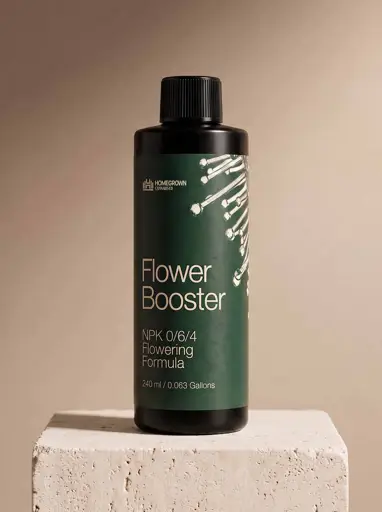
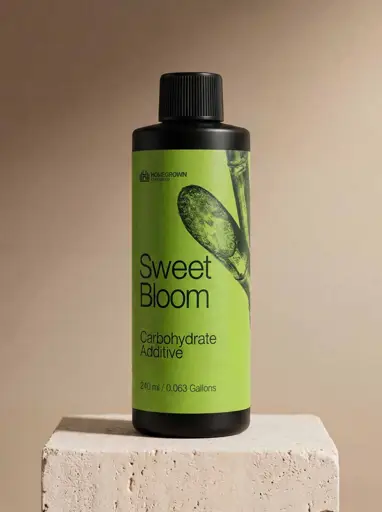
ILGM's nutrient lineup includes products designed specifically for cannabis cultivation and tailored to different growth stages. They ship to eligible adult buyers where lawful, with free US shipping on orders over $50.
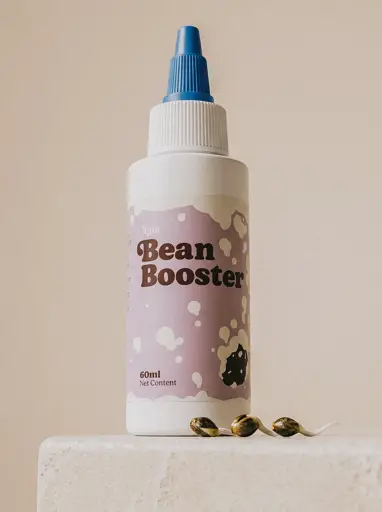
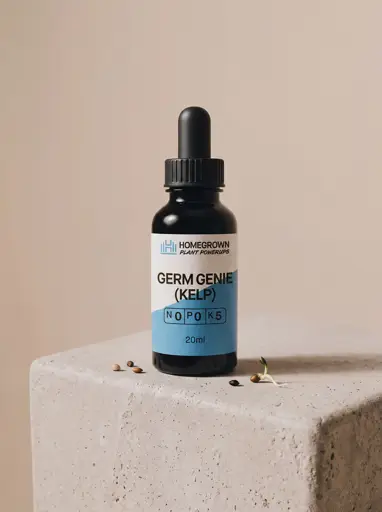
The lineup pairs a germinating booster with a plant protector, helping growers support seedlings early while also promoting overall plant health. The booster is designed to encourage strong starts during germination and early growth, while the protector helps safeguard plants throughout the grow cycle.
Choosing Fertilizer Starts with Choosing Seeds
Fertilizer choice connects directly to seed choice, because the genetics you plant set how the plant feeds, flowers and finishes. Strong nutrients reach their potential only on plants grown from quality cannabis seeds, so the seed is the first input in the chain.
ILGM sells cannabis seeds bred for home growing, with categories that match seed type to grower experience and goals. Picking the right seed first makes every later feeding decision simpler.
For growers who want predictable plants, feminized seeds remove the male-plant guesswork and keep the grow focused on a clean feeding and flowering routine. New growers often pair a forgiving genetics line with simple nutrients, and the beginner cannabis seeds collection groups strains chosen for ease of growing.
Growers who want a shorter, simpler timeline can choose autoflower seeds, which flower on age and compress the feeding schedule into a faster cycle. Each seed path leads back to the same goal: healthy plants that respond well to the right fertilizer.
Cannabis Fertilizer FAQ
What Nutrients Does Weed Need?
Weed needs three macronutrients (nitrogen, phosphorus, potassium), three secondary nutrients (calcium, magnesium, sulfur) and trace micronutrients like iron and zinc. Nitrogen drives leaf and stem growth, phosphorus powers flowering, and potassium controls bud density. A complete fertilizer supplies all three groups in stage-appropriate amounts.
What Is the Best Fertilizer for Marijuana Plants?
The best fertilizer for marijuana plants matches its NPK ratio to the growth stage: nitrogen-forward in vegetative growth and phosphorus-and-potassium-forward in flowering. The right pick also fits your medium, with lighter feed for soil and complete formulas for hydroponics. No single product wins every stage, so most growers run a veg feed and a separate bloom feed.
Is Organic or Synthetic Fertilizer Better for Cannabis?
Organic fertilizer releases nutrients slowly and builds soil life, which lowers burn risk and suits soil grows. Synthetic fertilizer delivers minerals immediately and gives precise stage control, which suits hydroponics. Both grow strong cannabis when dosed to the stage, so the better choice depends on your medium and how much control you want.
How Often Should I Feed Cannabis Plants?
Feeding frequency rises with plant size and stage, from light or no feed at seedling to a regular cycle in veg and flower. Many soil growers feed every second or third watering, while hydro growers feed with every watering through the reservoir. Watch the plant for pale leaves, which signal hunger, or burnt tips, which signal overfeeding.
What Is the Best Plant Food for Big Buds?
The best plant food for big buds is a bloom fertilizer high in phosphorus and potassium with reduced nitrogen, fed through flowering. Phosphorus powers flower development and potassium drives density, so a ratio near 1:2:3 supports bud swell. Feed it from early flowering through late bloom, then taper nutrients off or run a plain-water flush at the end, depending on your preferred finishing method.