
Can You Clone Autoflower Plants? What Growers Need to Know [Full Guide]
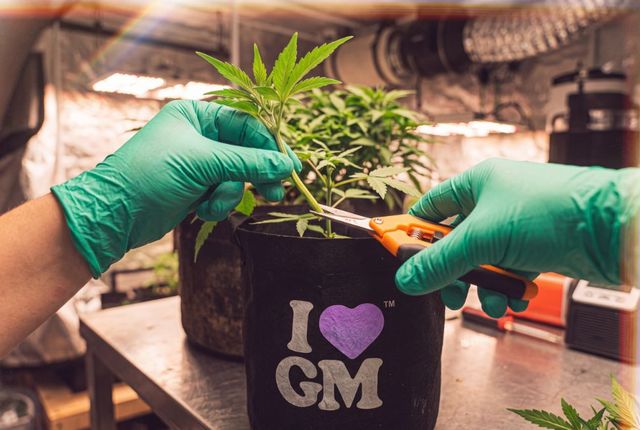
Can you clone autoflower plants? It's one of the most common questions from growers who've found a strain they love and want to replicate it. The short answer is yes, but the results are almost always disappointing. Cloning autoflowers is technically possible. A cutting roots, grows and carries the exact same genetics as the mother plant.
The problem is that the same trait making autos so fast and easy to grow also makes cloning them nearly pointless. That fixed genetic timer keeps running from the moment you take a cutting, so by the time the clone roots and establishes, it has almost no time left to develop before flowering begins.
This guide explains exactly why autoflower cloning falls short, walks you through how to do it (if you still want to try) and covers what actually works better for a steady harvest.

Gabriel ILGM
Table of contents
Can You Clone a Cannabis Autoflowering Crop?
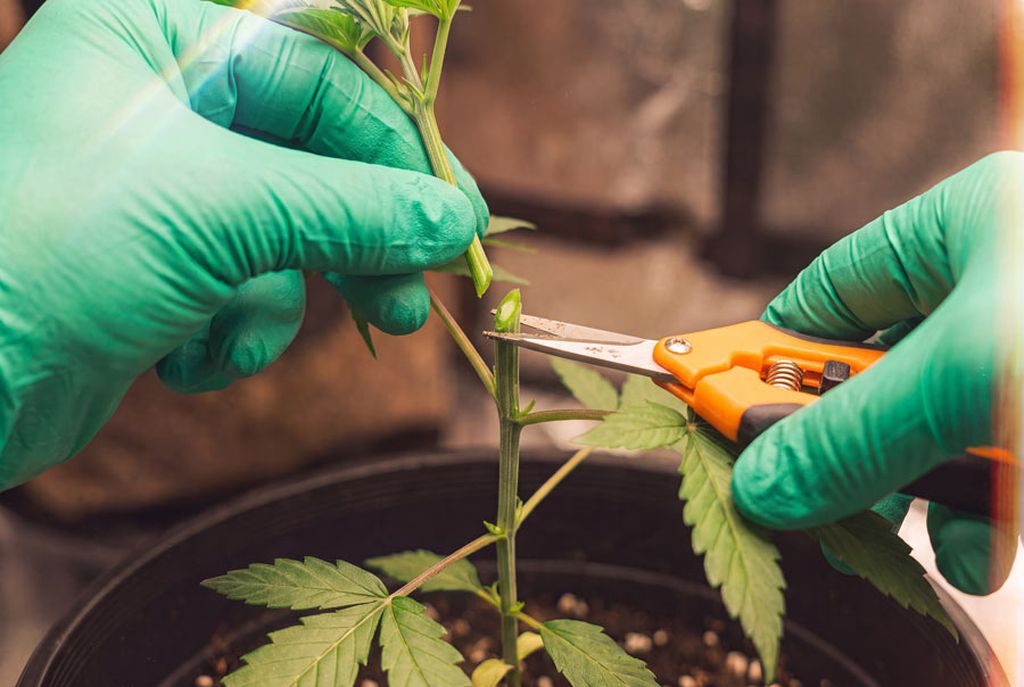
Yes, technically you can clone an autoflowering cannabis plant. A cutting taken from an autoflower crop will root and grow into a plant that's genetically identical to the mother. But the plant you end up with will be small, produce very little and won't come close to what a fresh seed delivers.
The reason comes down to genetics.
Autoflowers carry a fixed internal timer that starts the moment the seed germinates. That timer doesn't stop when you take a cutting. The clone inherits the mother plant's age and enters flowering on the same schedule. It just has far less time to develop first.
Why Cloning Autoflowers Doesn't Work Well
The autoflower genetic timer limits how useful any cutting can ever be. Here's what that means in practice:
How the autoflower genetic timer works: why the clock starts at germination and doesn't pause when you take a cutting.
What autoflower clones actually produce: the yield outcome in concrete numbers.
How the mother plant is affected by cloning: the second cost most growers don't anticipate.
How the Autoflower Genetic Timer Works
The autoflower genetic timer triggers flowering based on age from germination, not light cycle changes. This trait comes from Cannabis ruderalis, which developed a fixed lifecycle to survive short and unpredictable growing seasons.
A typical autoflower runs from seed to harvest in 8 to 10 weeks, with some slower varieties reaching 12 weeks or beyond. By week 3 or 4, the plant is large enough to take a viable cutting.
At that point, a large portion of the lifecycle is already gone.
Rooting the cutting takes another 1 to 2 weeks. That leaves the clone somewhere between 3 and 5 weeks to develop before it finishes (depending on the specific strain). There's not enough time to build any real structure.
What Autoflower Clones Actually Produce
Autoflower clones produce significantly smaller yields than seed-grown plants because they enter flowering with almost no vegetative development behind them. A rooted auto clone typically grows into a compact, bonsai-sized plant with a few buds and little else.
The numbers back this up. Rooting success sits around 10 to 30% depending on timing and conditions. Of the clones that do root, yields tend to be 30 to 50% smaller than what you'd get from a plant started fresh from seed. Most growers who try auto cloning once don't repeat it.
What auto clones do produce is a genetic copy of the mother plant. They carry the same traits and the same potency profile.
The problem isn't genetics. It's the lack of vegetative time to express them.
How the Mother Plant is Affected by Cloning
The mother autoflower plant loses yield potential when a cutting is removed during its active lifecycle. Taking a substantial cutting during the flowering stage stresses the plant and slows its final development.
Unlike a photoperiod mother plant that stays vegetative under extended light indefinitely, an autoflower can't recover lost tissue before its lifecycle ends. You're not just gambling on the clone. You're also putting the original plant's harvest at risk.
How to Clone an Autoflower Plant
If you still want to try cloning an autoflowering cannabis plant, you have a narrow cloning window. You need to take a cutting in the first 2 to 3 weeks to have any real chance of useful development. Here's what that process involves:
When to take a cutting from an autoflower: the narrow timing window before pre-flowers appear.
Steps to clone an autoflower plant: the physical process from cutting to rooted clone.
What to expect from your autoflower clone: realistic results so you're not caught off guard.
When to Take a Cutting From an Autoflower
Autoflower cuttings produce the best results when taken within the first 2 to 3 weeks after germination, before the plant shows any pre-flowers. This gives the clone the maximum possible time before flowering kicks in.
Once the plant reaches week 4 and pre-flowers start forming, the window has closed. Taking a cutting at that point leaves the clone almost no vegetative time.
If you're going to try this, cut early or don't cut at all.
Steps to Clone an Autoflower Plant
Autoflower cloning requires the same steps as cloning any photoperiod plant. The only real difference is when you take the cutting.
Here's a step-by-step breakdown of how to clone an autoflower:
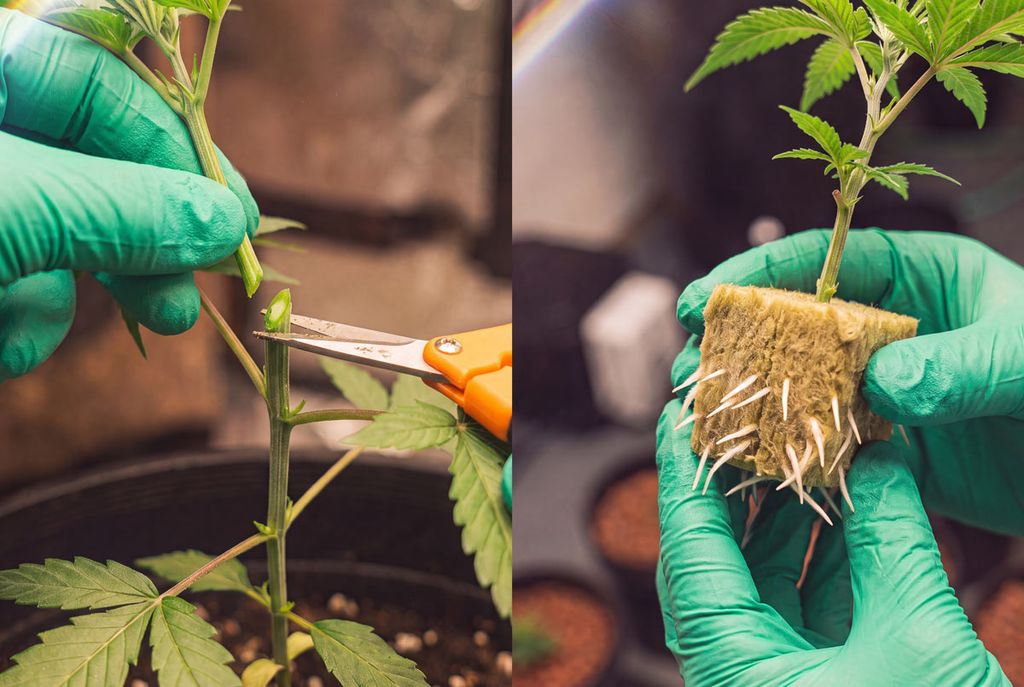
Select a healthy lower branch with at least 2 nodes from a plant in its first 2 to 3 weeks of growth.
Make a clean 45-degree cut just below a node using a sterile blade.
Place the cutting immediately in water to prevent air entering the stem.
Trim the lower fan leaves and remove the bottom node, leaving a clean stem section.
Dip the cut end in rooting hormone.
Insert the cutting into a rooting medium (rockwool cubes or peat pellets work well).
Cover with a humidity dome and maintain 70 to 85% relative humidity.
Keep temperatures at 24 to 27°C (75 to 80°F) and provide 18 to 24 hours of gentle light.
Check for root development after 7 to 14 days.
What to Expect From Your Autoflower Clone
An autoflower clone typically produces a small plant with just a few buds. The yield runs well below what you'd get from a weed seed, and the plant finishes quickly with minimal structure.
Rooting success is about 10 to 30%. Of the clones that root, yields are typically 30 to 50% smaller than a seed-grown plant. The plant flowers fast and stays compact. Most growers who attempt auto cloning once don't try again, not because it's impossible, but because the return isn't worth the effort.
How Autoflower Cloning Compares to Cloning Photoperiod Plants
Autoflower cloning differs from photoperiod cloning in one fundamental way: the genetic timer never resets. That single difference changes what's possible with cuttings.
The timing gap shows up first. Autoflower plants give you 3 to 5 weeks to take a viable cutting before they enter flower. Photoperiod mothers on an 18/6 schedule stay vegetative indefinitely.
Rooting success reflects the same pattern. Autoflower cuttings root at 10 to 30%. Photoperiod cuttings root at 60 to 80% or better. Even when an autoflower clone survives, it typically yields 30 to 50% less than a seed-grown plant of the same strain.
Photoperiod clones yield comparably to their seed-grown counterparts. For most growers, photoperiod cloning is a practical, repeatable strategy. Autoflower cloning rarely is.
Photoperiod plants don't flower based on age. They flower when they receive a sufficient period of uninterrupted darkness each night, a threshold that varies by strain (but 12 hours is the usual standard baseline).
When you keep a photoperiod plant under 18 or more hours of light, it stays in vegetative growth indefinitely. A mother plant on an 18/6 schedule can supply cuttings for years. Each clone has all the vegetative time it needs before you decide to trigger flowering.
That's why growers who rely on cloning work with photoperiod strains and keep dedicated mother plants. The clone and the mother both operate on the grower's schedule, not a genetic one.
If cloning is part of how you grow, feminized cannabis seeds give you the photoperiod flexibility autoflowers can't. Choose from a wide range of categories, including:
Indica seeds: tend to grow compact and dense, making them a solid fit for smaller tents and indoor setups. They're known for shorter flowering times and heavy, resinous buds.
Sativa seeds: stretch tall and thrive in larger spaces with longer light cycles. They produce an energetic, uplifting effect profile and suit growers with room to let plants develop fully.
Hybrid seeds: combine indica and sativa genetics to balance growth structure with effect profile. You get the best of both worlds, with breeders fine-tuning each variety for yield, potency or grow speed.
CBD seeds: produce plants with elevated cannabidiol levels and low to moderate THC. They're a popular choice for growers focused on non-intoxicating flower with a broad cannabinoid profile.
What Works Better Than Cloning Autoflowers
Most autoflower growers get better results by starting with fresh cannabis seeds each cycle than by attempting to clone. The two most reliable approaches are growing from seed every time and running a perpetual harvest.
Growing Autoflowers From Seed Every Cycle
Autoflowers grown from seed every cycle produce full-sized plants without the complications or failure rates that come with cloning. Modern autoflower genetics have closed the potency gap with photoperiod strains significantly. You can find high THC seeds in autoflower form that match top photoperiod varieties on potency.
Buying several seeds from the same batch gives you solid genetic consistency without the complexity of maintaining clones. If you're newer to growing, cannabis seeds for beginners is a good place to start with the right autoflower variety for your setup.
Explore ILGM’s full range of cannabis seeds for proven genetics and run a fresh, full-yielding cycle every time.
Running a Perpetual Harvest With Autoflowers
A perpetual harvest staggers autoflower germinations every 2 to 3 weeks so you always have a plant close to harvest. A standard 4 x 4 ft. (1.2m x 1.2m) tent holds 4 to 5 auto plants at different growth stages, all running under the same light schedule.
You germinate a new seed every couple of weeks. A plant comes down on the same schedule. The result is a steady, predictable supply without the failure rate or yield penalty of cloning. For growers focused on output, the highest yielding seeds include autoflower varieties built for exactly this kind of setup.
Growing cannabis is subject to federal, state and local rules. Check your local laws before starting any form of cloning or cannabis cultivation.
FAQs About Cloning Autoflowers
Can Autoflower Clones Reset Their Genetic Timer?
No. Autoflower clones can't reset their genetic timer. The timer begins at the moment the original seed germinates, not when the cutting is taken. The clone carries the same developmental age as the mother plant and moves toward flowering on the same schedule, regardless of when it was cut.
Can You Regenerate an Autoflower After Harvest?
No. Regenerating an autoflower after harvest doesn't work because the genetic timer has already completed its full cycle. Regeneration works with photoperiod plants because light control can pull them back into vegetative growth. Autoflowers don't respond to light manipulation the same way. Once the lifecycle is done, it's done.
Do Autoflower Clones Have the Same Genetics as the Mother Plant?
Yes. Autoflower clones carry the exact same genetics as the mother plant. They express the same traits, the same potency profile and the same growth structure. The issue with auto clones isn't genetic quality. It's that the fixed lifecycle leaves too little time to express those genetics at full size before flowering ends.
Why Can't You Clone Autoflowers Successfully?
Autoflowers can't be cloned successfully because the fixed lifecycle timer runs without pause, leaving the clone too little vegetative time to develop into a productive plant. By the time you take a cutting and root it, the clone has maybe five to six weeks before it finishes. That's not enough for a meaningful harvest, and there's no workaround in the biology.

Gabriel ILGM
Gab Wulff is an ecologist and designer linking sustainability, community gardening, and cannabis reform.