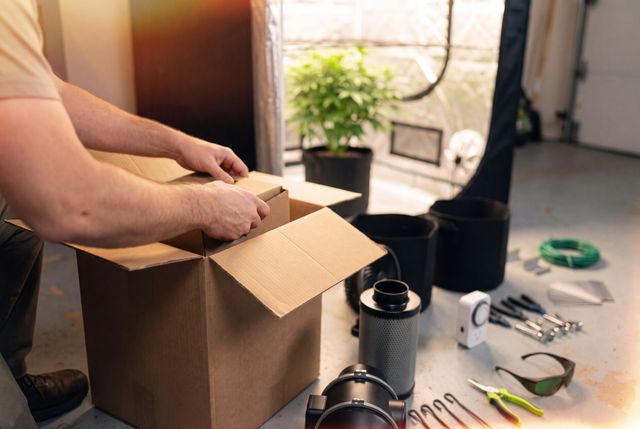
Cannabis Growing Supplies: Your Complete Equipment Guide
Setting up your first grow takes the right cannabis growing supplies and a clear sense of what actually matters. Whether you're growing weed indoors or outdoors, the core needs stay the same but the equipment list changes based on your approach.
This guide covers everything from the five basics every cannabis plant needs to the optional tools that sharpen your results. By the end, you'll know exactly what to buy, what to skip for now and how to build a setup around your cannabis cultivation goals.

Gabriel ILGM
Table of contents
Our Bestsellers

Essential Cannabis Growing Supplies
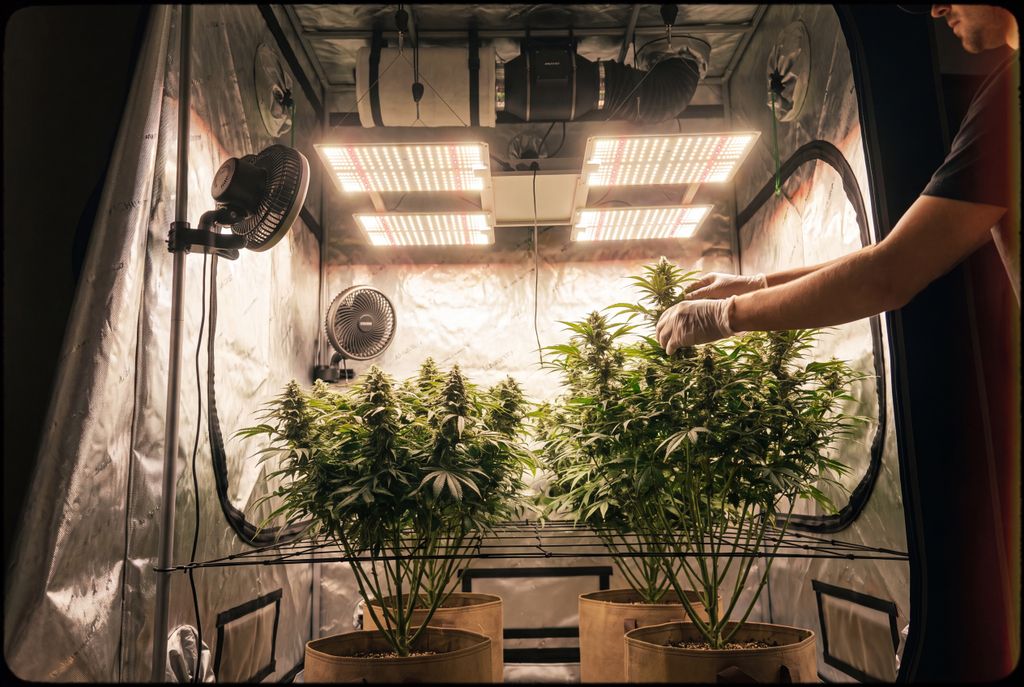
Cannabis growing supplies cover everything from starting seeds to flowering-stage nutrition tools, with a clear split between must-haves and nice-to-haves.
Here's what every grower needs:
Seeds and clones: your starting material choice shapes the whole grow.
Grow medium: where your roots live and how they access water and nutrients.
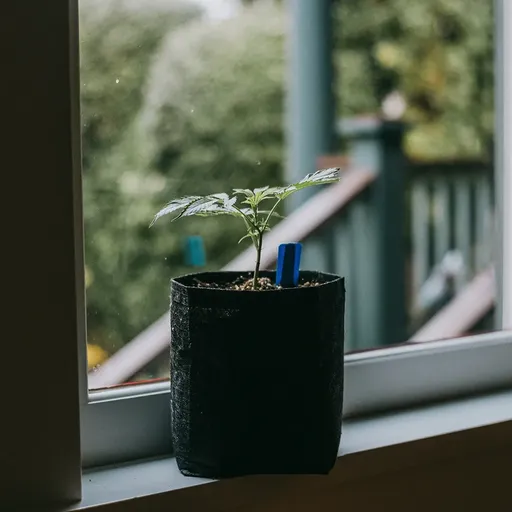
Containers and pots: what you grow in directly affects root health and yield.
Nutrients and fertilizers: the right feeding schedule drives every stage of growth.
Watering tools and pH testing: keeping water chemistry dialed in protects your roots.
Pruning tools: to direct plant energy to the right places at the right time.
1. Seeds and Clones for Cannabis Grows
Your cannabis grow starts with one choice: seeds or clones.
Seeds give you genetic variety, strong root systems and access to feminized and autoflower options from a reputable seed bank. Clones are cuttings from a proven mother plant. They're genetically identical to the parent, which makes results predictable, but they can also carry pests or diseases from their source.
Most home growers choose feminized cannabis seeds to lock in female plants and skip the sex identification step later in the grow. Female plants are the ones that produce buds. A ~99% female rate means you're not wasting time or grow space on harvest-wrecking males that need to be removed.
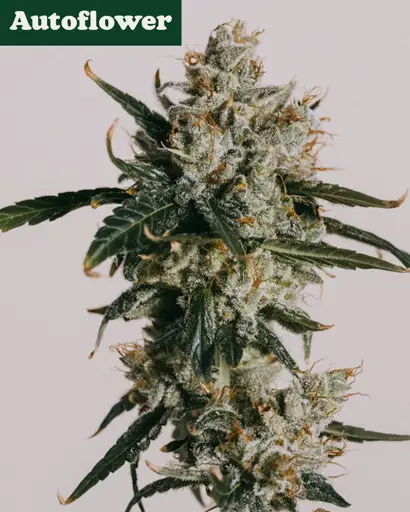
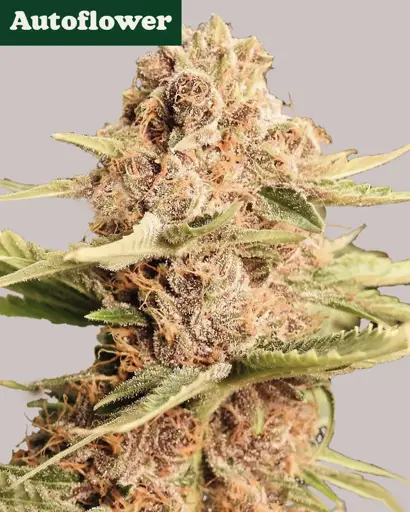
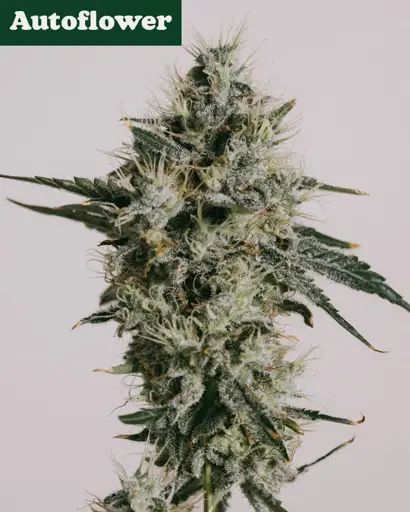
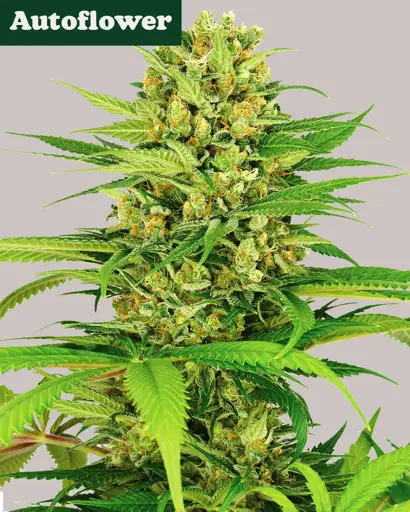
Autoflowering seeds are another strong option, especially for beginners. Unlike photoperiod plants, autoflowers switch to flowering based on age rather than a change in the light schedule. That means less micromanagement and a faster path from seed to harvest. Source your seeds from a reputable seed bank like ILGM where it's lawful to cultivate cannabis.
2. Grow Medium for Cannabis Plants
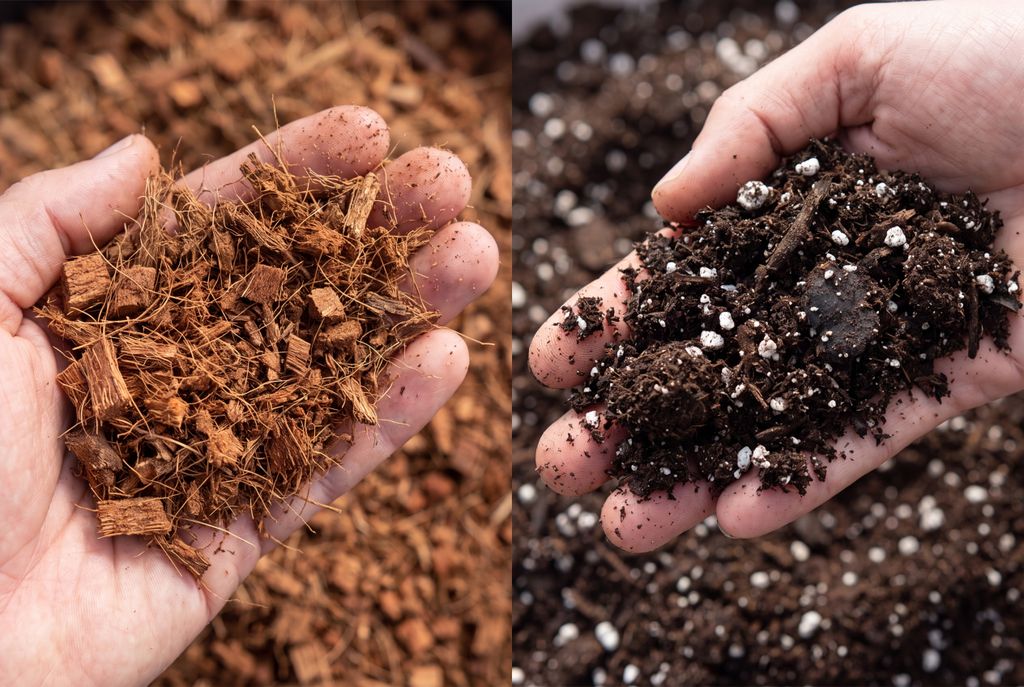
The grow medium controls how your cannabis roots access water and nutrients at every stage from seedling to harvest. Your choice comes down to how much control you want and how much experience you're bringing to the grow.
Here are the main options:
Soil
Soil is the most beginner-friendly choice and the most widely available. Quality potting soil often comes enriched with nutrients, which gives you a buffer if your feeding schedule isn't perfect. Look for a light, well-draining cannabis-specific mix rather than dense garden soil. Soil also tends to be more forgiving if you're still getting a feel for watering frequency.
Coco Coir
Made from coconut husks, coco coir offers excellent drainage and root aeration. It holds moisture well while still letting roots breathe. Because it contains no nutrients of its own, you'll need to feed your plants with every watering. It's typically mixed with perlite to improve drainage further.
Perlite
Perlite is a lightweight volcanic mineral used as a supplement rather than a standalone medium. Adding perlite to soil or coco coir opens up the mix, improves drainage and helps prevent the compaction that leads to waterlogged roots.
Hydroponic Systems
Hydroponics offer a soil-free option where roots grow directly in water. Hydro can speed up growth significantly but requires more precise monitoring and a steeper learning curve. It's worth exploring once you've got a few grows behind you.
For your first grow, soil is the safest starting point.
3. Containers and Pots for Cannabis Plants
The right container keeps your cannabis roots oxygenated and healthy, which directly affects how much your plants can grow. Root health drives nutrient uptake, water absorption and plant size, so container choice matters more than most growers expect.
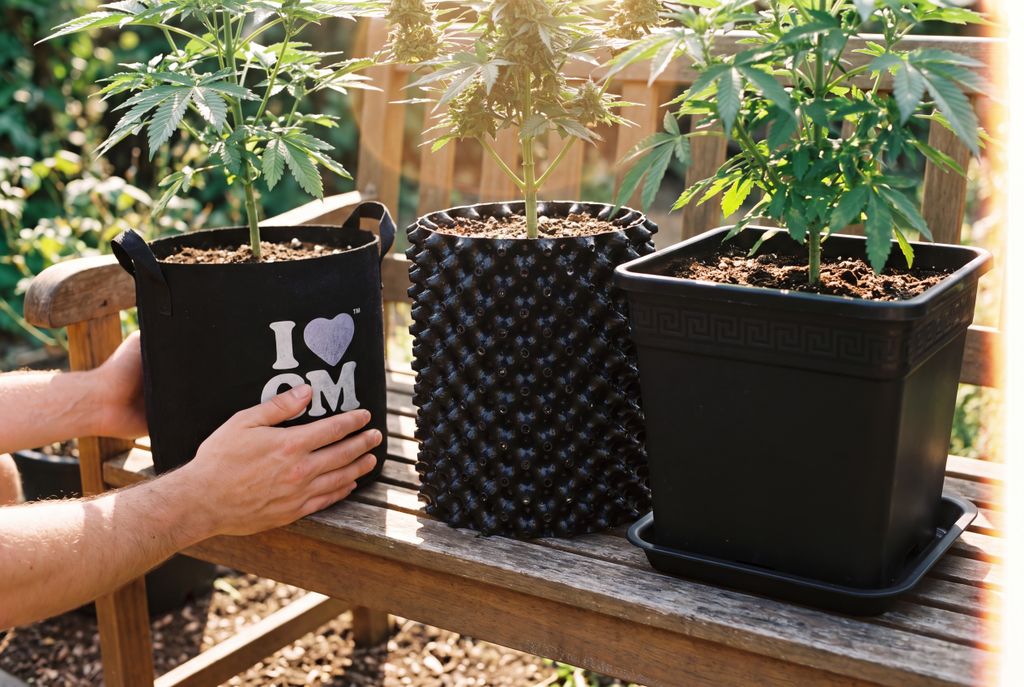
Here's how the main options stack up:
Fabric Pots
Fabric pots are the most popular choice for home grows. The breathable walls allow air to reach the roots, which triggers air pruning. When roots hit air, they stop reaching outward and branch into a denser lateral network instead.
That means better nutrient absorption and healthier plants overall. The trade-off is that fabric pots dry out faster than plastic, so you'll need to water more frequently.
Air Pots
Air pots are an engineered take on the same idea. Perforated sides and raised edges encourage air pruning and excellent drainage. They're more durable than fabric pots and reusable across multiple grows.
Plastic Pots
Plastic pots are the most affordable option and the easiest to find. They hold moisture longer than fabric, which can work well in drier climates. Add extra drainage holes if you're using standard plastic pots to reduce overwatering risk.
For pot size, seedlings do well in 1 to 3 gallon (3.8 to 11.4 liter) containers. Mature plants usually need 5 to 7 gallons (18.9 to 26.5 liters) or more, depending on how large you plan to let them grow.
4. Nutrients and Fertilizers for Cannabis
Cannabis plants need nitrogen, phosphorus and potassium in different ratios depending on which growth stage they're in. These three macronutrients are called NPK. Most fertilizer labels show the ratio as three numbers: 3-1-2 for a veg formula or 1-3-2 for a flowering formula, for example.
Here's how each macronutrient works:
Nitrogen (N): Drives leafy growth and stem development. Your plants need the most nitrogen during the vegetative stage.
Phosphorus (P): Supports root development and bud production. Increase it as plants move into the flowering stage.
Potassium (K): Supports overall plant health, water transport and disease resistance. Keep it moderate throughout and bump it up in late flower.
Beyond NPK, cannabis also draws on secondary nutrients including calcium, magnesium and sulfur. True micronutrients such as iron, zinc, manganese and copper are needed in far smaller quantities but are still essential. Deficiencies in any of these show up as discolored leaves and stunted growth.
Organic fertilizers come from natural sources like compost, bone meal and worm castings. They break down slowly, which feeds your soil over time and reduces overfeeding risk.
Synthetic fertilizers are lab-formulated for fast nutrient uptake. They're precise and consistent, but overfeeding is easier to do, so follow the dosage instructions carefully.
Your feeding schedule should match each growth stage. Use minimal feeding during the seedling phase, nitrogen-heavy through veg and phosphorus and potassium-heavy in flower.
Some growers end the cycle with a plain water flush in the final 1 to 2 weeks before harvest to clear residual nutrients, though the results are debated. Nutrient tapering is a well-regarded alternative.
5. Watering Tools and pH Testing for Cannabis
A pH meter tells you whether your water is in the right range for cannabis. Soil grows need water pH in the 5.5 to 6.5 range, with 6.0 to 6.3 being the ideal window. Hydroponic and coco coir setups run best at 5.6 to 6.4, targeting 5.8 to 6.2.
When pH drifts outside that window, your plants can't absorb nutrients properly even when the nutrients are there. This is called nutrient lockout, and it's one of the most common reasons plants look deficient despite regular feeding.
Overwatering is the other major pitfall. Cannabis roots need oxygen as well as water. Waiting until the top inch or two (2.5 to 5 cm) of soil has lost a bit of its moisture before watering again keeps the root zone healthy without letting it fully dry out.
Here are the core watering tools to have on hand:
Watering can or hose with a gentle nozzle: Fine for small to medium grows. A gentle flow reduces soil displacement and root disturbance.
Drip irrigation system: Worth setting up for larger grows or if you can't water on a consistent daily schedule.
pH meter: Essential for any setup. Digital pH pens are accurate, affordable and quick to read. Calibrate yours regularly for reliable results.
PPM meter: Measures the nutrient concentration in your water. Useful once you're dialing in a feeding schedule, but not a day-one requirement.
6. Pruning Tools for Cannabis Plants
Sharp pruning shears let you remove dead leaves and unnecessary branches so your plants push their energy into bud production. Regular pruning also opens up the canopy, which improves airflow and light penetration to bud sites lower on the plant.
What you need:
Pruning shears: Sharp, spring-loaded shears make clean cuts that heal quickly. Dull blades crush stems rather than cutting them cleanly, which increases infection risk.
Trimming scissors: Smaller scissors handle fine detail work, like removing tiny leaves from around bud sites during the late flowering stage.
One hygiene note worth taking seriously: wipe your blades with isopropyl alcohol between plants. Diseases like powdery mildew and botrytis spread easily on contaminated tools. A clean cut and a clean blade are both part of good plant care.
First Grow?
Indoor Cannabis Growing Equipment
Indoor cannabis growing requires more equipment than an outdoor setup because you're building the entire growing environment from scratch. The sun, the breeze and the natural soil cycle are all yours to replace. Get the indoor setup right, though, and you gain total control over your grow from day one to harvest.
Here's what an indoor cannabis setup needs:
Grow lights: replace the sun and drive your plants through each growth stage.
Ventilation and airflow: keep air moving to prevent mold and build strong stems.
Temperature and humidity control: hold the right climate conditions for veg and flower.
Grow tent: a self-contained space that makes climate control much easier.
Carbon filter: removes the strong odor that peaks during the flowering stage.
Grow Lights for Indoor Cannabis Plants
Grow lights replace the sun for indoor cannabis, controlling growth rate and telling your plants when to start flowering. Most cannabis plants respond to light spectrum. Blue wavelengths (around 400 to 500 nm) drive vegetative growth. Red wavelengths (around 620 to 750 nm) trigger flower development.
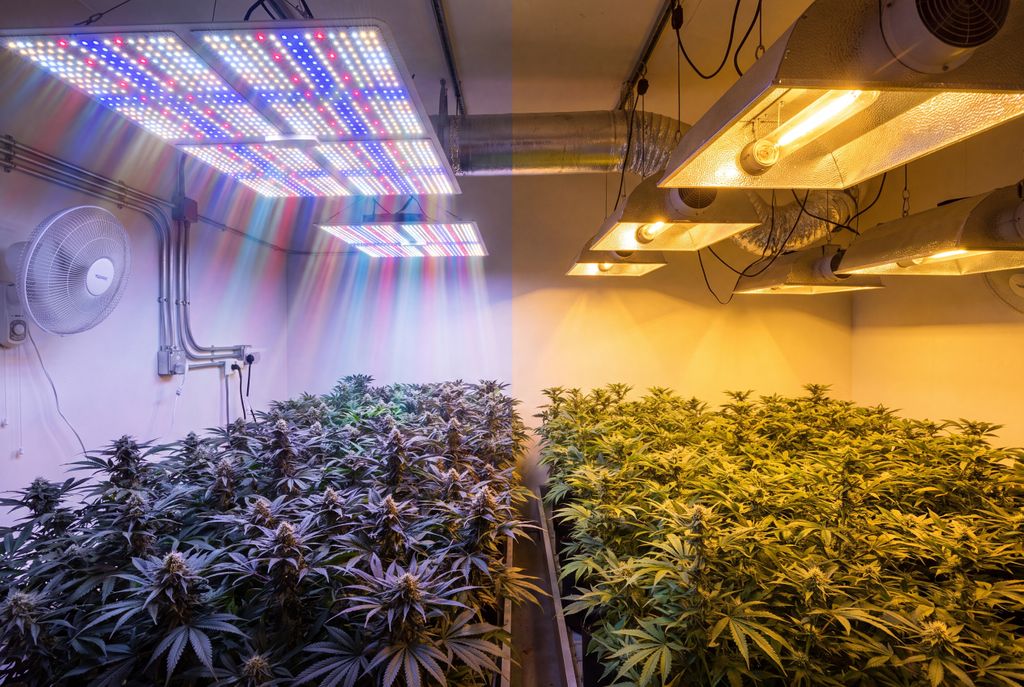
Here are the three main lighting options:
LED Grow Lights
LED grow lights are the best all-around choice for most growers. Modern LED panels are energy-efficient, run cooler than HIDs and offer full-spectrum or adjustable output across both growth stages. They last longer and cost less to run over time.
HID Lights (High-Intensity Discharge)
HIDs are the traditional choice in larger grow setups. Metal Halide (MH) bulbs cover the veg stage with blue-spectrum output. High-Pressure Sodium (HPS) bulbs handle flowering with red-spectrum light. HIDs produce intense yields but generate significant heat and require strong ventilation to manage it.
CFL Lights (Compact Fluorescent Lamps)
CFLs are a budget-friendly option suited to very small grows and the seedling stage. They can cover a basic veg setup but don't have the output to maximize yield in a full-cycle indoor grow.
For most home growers, LED is the practical choice for a first setup.
Ventilation and Airflow for Indoor Cannabis
Without steady airflow, indoor cannabis faces mold pressure, weak stems and pest problems that can take out a whole grow. Your ventilation setup does two things: keeps air moving around your plants and cycles out stale air in exchange for fresh air.
Here's what you need:
Oscillating fans: Position these to move air gently around and through your canopy. Moving air strengthens stems the same way wind does outdoors and discourages mold from settling on leaves and buds.
Inline fan with exhaust: An inline fan pulls warm, stale air out of the grow space and draws fresh, CO2-rich air in. Most setups run the exhaust at the top of the grow tent, since hot air rises. Match the fan's CFM (cubic feet per minute) rating to your grow space size.
Proper airflow also keeps temperatures from spiking under your lights and helps humidity stay in the target range for each growth stage.
Temperature and Humidity Control for Cannabis
Cannabis grows best between 70 and 85°F (21 to 29°C) during the vegetative stage. Dial humidity down in flowering to reduce mold risk. Keeping these ranges consistent is one of the most valuable things you can do for your indoor grow.
Temperature Targets:
Vegetative stage: 70 to 85°F (21 to 29°C)
Flowering stage: 68 to 85°F (20 to 30°C)
Lights-off: aim for no more than a 10°F (5.5°C) drop from lights-on to avoid stress
Humidity Targets:
Seedling and early veg: 60 to 70%
Late veg: 55 to 65%
Flowering: 40 to 50%
Late flower: below 45% to protect against bud rot
Tools You'll Need:
Thermometer and hygrometer: Most growers use a combo unit that reads both. Place it at canopy height for the most accurate reading.
Heater or cooler: Depending on your climate, you may need one or both to hold your target temperature range.
Humidifier: Raises humidity for seedlings and young plants that need a more humid environment.
Dehumidifier: Lowers humidity during the flowering stage. Critical in humid climates where bud rot risk runs high.
Grow Tents for Indoor Cannabis Plants
A grow tent gives your indoor cannabis plants a self-contained, light-proof space where temperature, humidity and airflow are all manageable from day one. The interior walls are lined with reflective material, which bounces light back toward your canopy and reduces wasted output from your grow lights.
Grow tents come in a range of sizes to match your space:
2 × 2 ft (0.6 × 0.6 m): Suits 1 to 2 plants and fits into a small closet or corner. A solid starting point for first-time growers.
4 × 4 ft (1.2 × 1.2 m): The most popular size for home grows. Fits 4 to 6 plants comfortably and pairs well with a 400 to 600-watt LED panel.
5 × 5 ft (1.5 × 1.5 m): Better for larger setups or for growers who want to run more plants at once.
Most tents include zippered access panels, port holes for ducting and a built-in floor tray for runoff collection. Beyond convenience, a tent keeps pests out and makes it much easier to maintain consistent light cycles throughout the grow.
Carbon Filters and Odor Control for Cannabis
A carbon filter scrubs the smell of flowering cannabis from the air before it exits your grow space. Cannabis odor peaks during the flowering stage, when resin production is at its highest. Without a filter, that smell pushes into the surrounding space and can be significant even through walls.
The carbon filter works alongside an inline fan. The fan draws air from inside the tent through the filter. Activated carbon neutralizes the odor molecules. The cleaned air then exhausts out through ducting to the outside.
Most setups mount the carbon filter at the top of the tent, connected to the inline fan with a short section of ducting. Size your filter and fan to match your grow space. A 4-inch system suits most small to medium tents, and a 6-inch system handles larger setups.
A full extraction system (carbon filter, inline fan and ducting) also helps manage temperature and humidity. Pulling warm, humid air out of the tent on a constant cycle keeps the growing environment fresh.
Outdoor Cannabis Growing Supplies
Outdoor cannabis growers work with a shorter equipment list than indoor setups do. A few targeted supplies still make a real difference to yield and plant health. The sun handles your lighting, the breeze takes care of airflow and the season tells your plants when to flower. What's left is making sure your plants have the right foundation and support.
Here’s what you’ll need to start growing cannabis outdoors:
Soil and Soil Amendments
If you're planting directly in the ground, test your native soil first. Most cannabis grows best in rich, loamy soil with good drainage. If your native soil is heavy clay or low in nutrients, amend it with compost, perlite and worm castings before planting.
Support Structures
If you choose to grow high-yielding seeds, your outdoor plants can get top-heavy and need support, especially in the late flowering stage. Bamboo stakes, garden cages and trellis nets keep branches upright and protect plants from wind damage.
Watering Tools
A garden hose with an adjustable nozzle works well for most outdoor grows. For larger gardens or inconsistent access, a drip irrigation system reduces the time you spend watering and keeps moisture levels consistent.
Pruning Tools
The same pruning shears you'd use indoors apply outdoors. Remove lower branches that get no light and open up the canopy to improve airflow through the plant.
Shade Cloth
In hot, dry climates, shade cloth over young plants can prevent heat stress during the harshest part of the day. It's a minor addition that can protect early growth when conditions work against you.
Optional Cannabis Growing Accessories
Optional cannabis growing accessories improve yield, nutrient precision and plant control without being essential for a first-time grower. If you're running a basic soil grow with a simple nutrient line, you can get solid results without any of these. Add them as you gain experience and want more control over the grow.
Training Tools for Cannabis Plants
With training tools, you can reshape how your cannabis plants grow, directing energy toward the bud sites that get the most light. Better light distribution across the canopy generally leads to denser, more uniform bud development. Most training techniques require nothing more than a few inexpensive tools and some patience.
Here are the most useful options:
SCROG nets (Screen of Green)
A SCROG net is a horizontal mesh screen positioned above your plants. You weave branches through the screen as they grow, creating a flat canopy that pushes multiple bud sites into the same light zone. SCROG works particularly well with photoperiod strains during a long vegetative stage.
Plant Ties and Soft Wire
Low-stress training (LST) uses plant ties or soft wire to bend branches outward and away from the main stem. This opens up the plant and increases light penetration to lower bud sites without cutting. It's one of the gentlest and most beginner-friendly training methods available.
Trellises
More commonly used outdoors, trellises give tall plants vertical support. They prevent heavy branches from snapping under late-stage bud weight or in strong wind.
EC Meters and PPM Testing for Cannabis
An EC meter measures the electrical conductivity of your nutrient solution, showing whether your plants are actually absorbing what you're feeding them. Electrical conductivity (EC) rises when nutrient concentration is high and drops when plants are feeding actively. Tracking it over time tells you whether to feed more, hold steady or flush.
A PPM (parts per million) meter measures nutrient concentration directly. The two tools are closely related: EC and PPM readings are both proxies for how dense your nutrient solution is. Many nutrient manufacturers publish target EC or PPM ranges for each growth stage.
For soil growers using pre-mixed nutrient solutions, EC and PPM meters add the most value once you've moved past the basics. For coco coir and hydroponic grows, where you're mixing nutrients directly into water, they become near-essential for dialing in your feeding.
What Do You Need to Grow Weed?
Cannabis plants need five core elements to grow, indoors or outdoors. ILGM uses the acronym L.A.W.N.S to keep it simple: Light, Air, Water, Nutrients and Soil (or another substrate). Get all five working together and your plants have a solid foundation. Neglect any one of them and the whole grow suffers no matter how good the rest of your setup is.
High-quality cannabis seeds from a reputable source are the foundation of any grow. Make sure home cultivation is permitted by your local and state laws before you start.
Here's what each element covers:
Light: Cannabis is a sun-hungry plant that converts light into energy through photosynthesis. Outdoors, the sun handles it. Indoors, grow lights do the job.
Air: Fresh airflow keeps plants strong and helps you avoid mold and pest problems. Outside, natural wind takes care of this. Inside, fans and exhaust systems step in.
Water: Cannabis needs consistent moisture at every stage of growth. Soil grows call for a water pH of 6.0 to 6.5, with the optimal window sitting at 6.0 to 6.3. Hydroponic and coco coir setups work best at 5.8 to 6.2. Letting soil dry slightly between watering sessions reduces root rot risk.
Nutrients: Plants pull nitrogen (N), phosphorus (P) and potassium (K) from their environment. Outdoors, quality soil often covers some of these naturally. Indoors, you'll be in charge of the full feeding schedule.
Soil or Substrate: This is where roots anchor, absorb water and take up nutrients. Outdoor growers typically use the ground. Indoor growers can go with potting soil, coco coir or a hydroponic medium.
FAQs About Cannabis Growing Supplies
What Do You Need to Grow Weed for the First Time?
For a first outdoor cannabis grow, you need marijuana seeds, a spot with good sun exposure, decent soil and a consistent watering routine. For a basic indoor setup, add grow lights, a small fan and a pH meter. Start with feminized or autoflower seeds from a reputable source and choose a quality soil mix.
Can You Grow Cannabis Outdoors Without Special Equipment?
Yes, you can grow cannabis outdoors without special equipment. Outdoor cannabis grows rely on the sun for light, natural wind for airflow and the seasonal light cycle to trigger flowering. Your supply list shrinks to soil or soil amendments, a watering setup, support structures for heavy plants and basic pruning tools.
In mild, temperate climates, you can run a full outdoor grow without anything more than that. Hot or very rainy climates may need additional items like shade cloth or sheltered spots for late-season protection.
What Are the Best Nutrients for Growing Cannabis?
The best nutrients for cannabis give you the right NPK balance for each stage. That means nitrogen-rich formulas for veg and phosphorus and potassium-forward options for flower. Organic options like worm castings and compost-based fertilizers are forgiving for beginners and build soil health over time.
Synthetic nutrient lines are faster-acting and more precise, but overfeeding is easier to do if you're not following a schedule. For a first grow in quality soil, you may not need to add nutrients at all until the seedling stage is behind you.
Do You Need a Grow Tent to Grow Weed Indoors?
No, you don’t need a grow tent to grow weed indoors, but it makes a significant difference. You can grow cannabis in any indoor space, but managing temperature, humidity and light cycles is significantly harder without a tent.
A grow tent also keeps pests out, reflects light back to your canopy and gives your exhaust system a defined space to work within. For first-time indoor growers, a tent removes a lot of the guesswork and makes results more consistent from the start.
What Size Grow Light Do You Need for Indoor Cannabis?
The right grow light size depends on your grow space. For a 2 × 2 ft (0.6 × 0.6 m) tent, a quality LED panel in the 100 to 200-watt range is usually adequate. A 4 × 4 ft (1.2 × 1.2 m) space works well with a 400 to 600-watt LED.
Larger setups over 5 × 5 ft (1.5 × 1.5 m) typically need 600 to 1,000 watts or multiple panels to cover the canopy evenly. Check the manufacturer's coverage area for the specific light you're considering, since output varies significantly across brands.
Do You Need a Carbon Filter for an Indoor Cannabis Grow?
Yes, if odor control matters to you or anyone in your household, a carbon filter is needed. Cannabis plants produce a strong, distinctive smell during flowering that can carry well beyond the grow room. A carbon filter paired with an inline fan removes most of that odor before air exits the tent.
It's not strictly essential in an isolated building where smell isn't an issue. But for most indoor growers sharing a living space, it's a near-essential part of the setup once flowering begins.
What pH Does Water Need to Be for Cannabis?
For soil, keep water pH between 5.5 and 6.5, though 6.0 to 6.3 is where nutrient availability is most reliable. Hydroponic and coco coir grows need a tighter window: 5.6 to 6.4 is the acceptable range, with 5.8 to 6.2 as the target. When pH drifts outside these windows, the plant's ability to absorb nutrients gets blocked at the root level.
Nutrient lockout can make your plants look deficient even when your feeding schedule is right on target. A digital pH meter is the most accurate way to check and adjust your water before each watering session.
What is the Cheapest Way to Set Up a Cannabis Grow?
The cheapest functional setup is an outdoor grow in quality soil. Seeds, a decent soil mix and basic watering tools cover most of what you need, and the sun and natural environment handle the rest. For indoor growing on a budget, start with a small grow tent, a mid-range LED panel and a basic fan.
Skip the premium accessories for now: a pH meter and a quality growing medium matter more than high-end extras when you're getting started. Focus your budget on things that directly affect plant health.
What is the Difference Between Fabric Pots and Plastic Pots?
Fabric pots have breathable walls that allow air to reach the roots, which triggers air pruning and encourages a denser lateral root system. Plastic pots hold moisture longer and are more affordable, but they can lead to root circling if the plant outgrows the container.
For most home cannabis growers, fabric pots offer better root health and plant performance, especially in soil grows where overwatering is a common issue. Plastic pots still work well on a tight budget or in dry climates where holding moisture matters.
Do You Need a PPM Meter to Grow Cannabis?
No, you don’t need a PPM meter for a basic soil grow. A PPM (parts per million) meter measures the concentration of dissolved nutrients in your water. It's most useful when you're mixing nutrients into a water supply directly, which is standard in coco coir and hydroponic setups.
In soil, pre-mixed or organic fertilizers don't require the same level of concentration tracking. If you're dialing in a precise feeding schedule for an advanced indoor grow, a PPM meter becomes a valuable tool. But for a first grow in soil, a pH meter matters much more.
Is It Better to Grow Cannabis From Seeds or Clones?
Seeds are generally the better starting point for most home growers. They offer a wider genetic range, start with a clean root system and give you flexibility across different types, like feminized, autoflowering, high THC and beginner-friendly seeds.
Clones are genetically identical to their parent plant, which makes growth and flowering behavior more predictable, but they require access to a verified mother plant. They can also carry pests or pathogens from the source grow. If you're buying from a reputable seed bank, seeds give you more flexibility and a cleaner start.
How Long Does It Take to Grow Cannabis?
Grow time depends on the seed type and growing environment. Autoflowering cannabis plants typically reach harvest in 8 to 12 weeks from germination. Photoperiod strains, including most feminized seeds, need a veg stage plus a full flowering period.
Indoor photoperiod grows typically run 14 to 22 weeks total, depending on how long you keep them in veg. Outdoor photoperiod grows follow the natural season and typically harvest in early to mid-fall. These timelines affect which supplies and how much space you'll need before you start planning your grow setup.

Gabriel ILGM
Gab Wulff is an ecologist and designer linking sustainability, community gardening, and cannabis reform.
Continue Reading
You might also find these interesting.