 SUPPORT
 SHIPPING INFO
 STRAIN FINDER
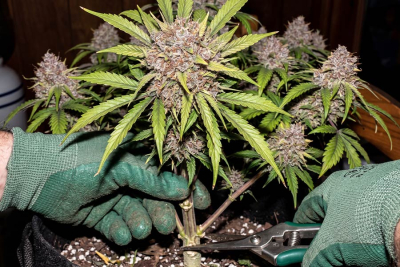
45 day autoflower seeds finish their cycle quickly because their genetics trigger flowering on age instead of a light-cycle change. This page explains what the 45-day figure actually counts, which autoflower seeds run fastest from seed to harvest and what a short window costs in yield.
You get the selection logic, the genetics behind the speed and the growing conditions that protect a tight schedule, so you can choose a fast pack without surprises.
What Are 45 Day Autoflower Seeds?
45 day autoflower seeds are autoflowering cannabis seeds bred to move from sprout to harvest in roughly a 45-day frame. Autoflowering seeds flower based on plant age, not on a shift to a 12-12 light cycle, which is why their timeline stays short and predictable.
The "45 day" label points to fast-finishing genetics inside the broader autoflowering seeds category. Most of these fast autos descend from compact ruderalis-influenced lines crossed with potent photoperiod parents.
Does 45 Days Count Flowering or Seed to Harvest?
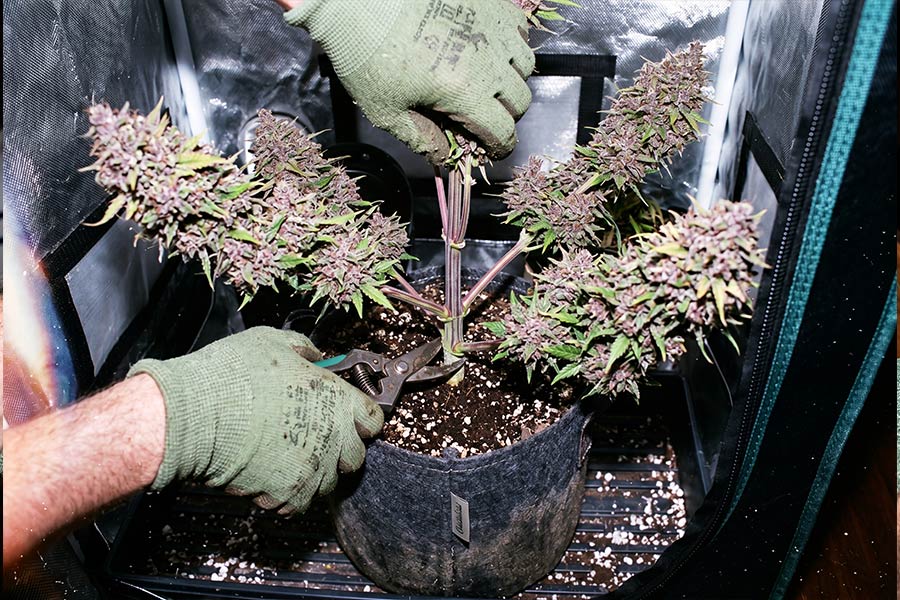
45 days usually counts the flowering stretch, not the full seed-to-harvest cycle. Many breeders measure the number from the start of flower, so the real seed-to-harvest total often lands closer to 60 to 75 days once germination and the seedling stage are added.
Some listings do mean total cycle, so the figure shifts by breeder and by how each company defines its window. Read the product page to see whether a strain's 45-day claim measures flowering time or the complete run from seed.
What Are the Fastest Autoflower Seeds From Seed to Harvest?
The fastest autoflower seeds reach harvest in about 8 to 9 weeks from seed, with flowering compressed into the final stretch. Speed comes from three levers that a buyer can actually check before purchase. These cannabis seeds trade a little size for a quick turnaround, so knowing what drives the speed helps you pick the right pack.
Genetics — the parent lines that set how early flowering starts
Pack choice — how breeder selection and seed quality affect consistency
Tradeoffs — what a 45 day flowering window costs in yield and height.
How Genetics Set Autoflower Speed
Genetics set autoflower speed because ruderalis ancestry triggers flowering on a fixed internal clock. Fast autoflower strains carry a stronger ruderalis influence, so they start budding within two to three weeks of sprouting regardless of daylight hours.
The same genetics keep the plant short and the flowering stretch brief, which is what pulls the total cycle down toward the 45-day mark. Breeders stabilize these lines so the early-flower trait shows up reliably across a pack.
How Pack Choice Affects Autoflower Speed
Pack choice affects autoflower speed because seed quality and breeder selection determine how consistently the fast trait expresses. A well-selected pack of fast autos finishes within a tight range, while loosely bred seeds show wider variation in timing and height.
Buyers comparing fast autoflower seeds should weigh breeder reputation alongside the stated day count. Consistency across a pack matters as much as the headline number, because one slow plant can stretch a planned harvest.
What Tradeoffs Come With 45 Day Flowering Strains
45 day flowering strains trade yield and plant size for a short, predictable cycle. A plant that flowers this fast spends less time in vegetative growth, so it stays compact and produces less per plant than a slower autoflower or a photoperiod plant.
This is not a flaw, it is the design — fast autos suit growers who value a quick turnaround, multiple cycles per season or a discreet footprint. Speed-focused autos also fit newer growers well, and the cannabis seeds for beginners resource explains why a short, forgiving cycle lowers the learning curve.
Can Growing Conditions Keep Autoflowers on a 45 Day Schedule?
Yes, stable conditions help an autoflower hold its expected schedule, where cultivation is lawful for eligible adult buyers. Autoflowers flower on age, so they will not wait for you to fix a slow start, stress during the seedling stage shortens the plant and can delay the finish. Steady light, gentle nutrients and minimal transplanting let the genetics run on time.
The 45-day window assumes a healthy plant, so the number describes potential under good care, not a guarantee.
How 45 Day Autoflower Seeds Fit Beside Other Cannabis Seeds
45 day autoflower seeds connect speed buyers to the wider seed catalog because timing is only one selection factor. Growers who want larger yields and full control over the light cycle often choose photoperiod seeds instead, since those plants stay in vegetative growth until the light shift triggers flower.
Buyers who care most about getting female plants — fast or not — can also compare feminized cannabis seeds, which are bred to grow female almost every time. Seed type, speed and yield each pull in a different direction, so the right pack depends on which one matters most for your space and timeline.
Frequently Asked Questions
Are 45 Day Autoflowers Ready to Harvest in Exactly 45 Days?
No, the 45-day figure is usually the flowering window, not the full cycle. Counting germination and the seedling stage, total seed-to-harvest time often runs 60 to 75 days. Check each product page for how the breeder defines its number.
Do Faster Autoflowers Produce Less than Slower Strains?
Faster autoflowers generally produce less per plant because a short cycle means less vegetative growth and a smaller plant. The tradeoff is a quick, predictable turnaround. Growers often offset lower per-plant yield by running more cycles.
Are 45 Day Autoflower Seeds Good for Beginners?
45 day autoflower seeds suit many beginners because the short, age-based cycle removes light-timing decisions and limits how long a mistake can affect the plant. A compact plant is also easier to manage in a small space. Buying from a reputable breeder improves consistency.


