
Landrace Cannabis Seeds
Landrace cannabis seeds carry the pure, unaltered genetics of strains that evolved naturally over centuries bringing authentic regional character. Unlike hybrids, which are crossbred for specific traits, landraces show cannabis in its original form, offering growers pure genetics prized for stability and resilience. Shop ILGM's collection of pure landrace strains in feminized photoperiod and autoflowering varieties.


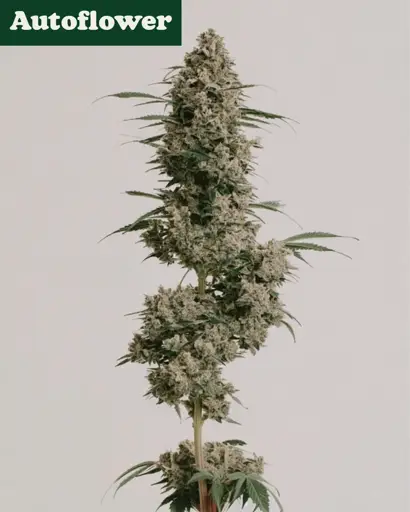

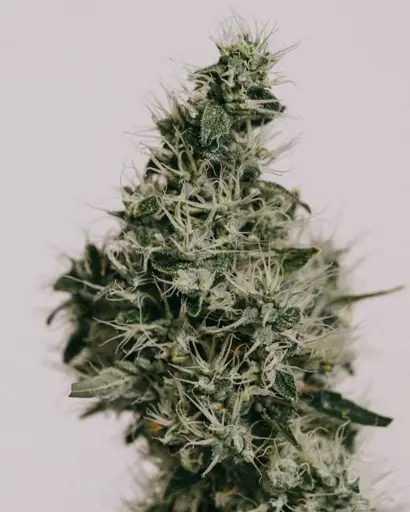

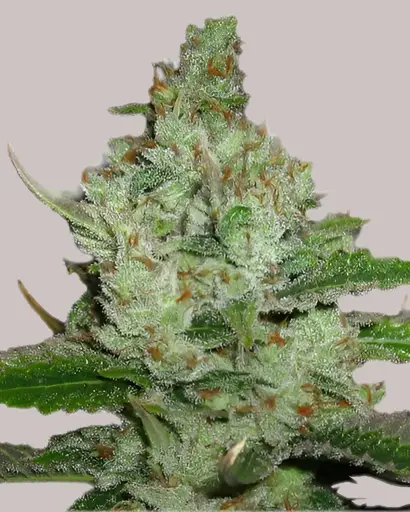
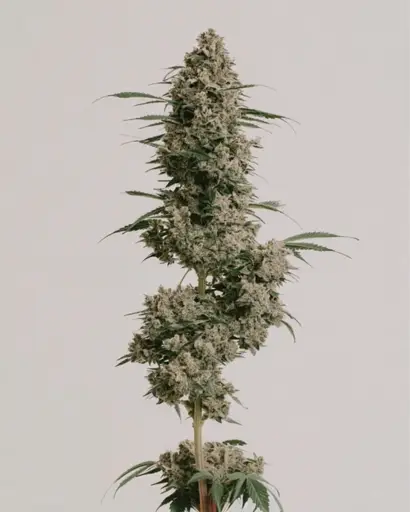

What Are Landrace Cannabis Seeds?
Landrace cannabis seeds are seeds from cannabis varieties that evolved in specific geographic regions over centuries without intentional crossbreeding. No breeder selected these plants for yield, potency or structure. Natural selection shaped them, adapting each variety's traits to its native climate, soil and altitude.
The result is a regionally distinct plant with stable genetics that reflect exactly where it grew.
Landrace cannabis seeds aren't just collector's items. They represent the original genetic building blocks of the modern cannabis market. A handful of dedicated seed banks preserved them through decades of hybridization trends. Growing landrace seeds lets you experience cannabis in a form that breeders return to repeatedly when they need stable, proven genetics.
What Makes Landrace Strains Different?
Landrace strains differ from modern hybrids because they carry genetics shaped only by their native climate and geography. A hybrid combines traits from two or more parent strains to achieve a target outcome. A landrace carries traits developed specifically for its environment.
Here's what each section below covers:
- How landrace genetics develop in isolation - why geographic separation produces genetically distinct cannabis varieties.
- What traits landrace cannabis seeds carry - the physical and chemical attributes shaped by regional environments.
- How landrace strains shaped modern cannabis - the role landrace genetics played in building today's hybrid market.
How Landrace Genetics Develop in Isolation
Landrace genetics develop when a cannabis population grows in one region for generations without contact with outside varieties. Each generation inherits traits from plants that survived the local environment. Over time, the population locks in the traits best suited to local conditions: pest resistance, climate-adapted structure and daylight-calibrated flowering timing.
Geographic barriers reinforced that process. Mountain ranges, oceans and deserts kept cannabis populations separate from each other for centuries. That isolation is what makes landrace strains genetically distinct from every other variety on the market. When you grow a landrace, you're growing a plant shaped entirely by one place.
What Traits Do Landrace Cannabis Seeds Carry?
Landrace cannabis seeds carry strain-specific traits shaped by altitude, temperature, humidity and soil conditions accumulated over centuries of natural selection. Because these plants evolved without human intervention, their traits reflect what the local environment rewarded, not what a breeder selected. The specific traits vary by region and by strain.
- Afghan landrace genetics produce compact, resin-heavy indica plants adapted to dry, high-altitude mountain conditions.
- Hindu Kush plants share a similar indica profile, with dense structure and high resin output built for the rugged terrain between Afghanistan and Pakistan.
- Durban Poison carries the tall, vigorous growth pattern of a subtropical sativa shaped by the warm, humid coastal climate of South Africa.
- Thai sativa genetics produce tall, slow-flowering plants with narrow leaves shaped by consistent equatorial heat and extended growing seasons.
- Latin American landraces like Acapulco Gold and Colombian Gold carry a tropical sativa profile developed in warm highland and coastal environments.
- East African varieties like Malawi and Kilimanjaro produce vigorous sativas with high THC concentrations linked to intense equatorial sun exposure.
- Jamaican varieties like Lamb's Bread carry uplifting sativa traits, and Himalayan strains from Nepal produce dense, hash-suitable indica structure.
At ILGM, all landrace strains are available as feminized cannabis seeds, so you'll get a female plant from every seed without identifying or removing males.
How Did Landrace Strains Shape Modern Cannabis?
Landrace strains supplied the foundational genetics that breeders drew on to build today’s hybrid market. By selectively crossing these region-specific varieties, breeders combined desirable traits like potency, resilience, flavor, and growth characteristics to create many of the hybrid seeds available today.
Many popular modern cultivars can trace part of their lineage back to influential landrace genetics from regions such as Afghanistan, Colombia, Thailand, and South Africa.
Popular Landrace Strains
ILGM carries some of the world's most recognized landrace strains, including Afghan, Hindu Kush and Durban Poison in photoperiod and autoflowering varieties:
- Afghan Seeds and Afghan Autoflower Seeds - a 100% indica with dense resin output and beginner-suitable growth, available in photoperiod and autoflowering forms.
- Durban Poison Seeds and Durban Poison Autoflower Seeds - a pure sativa from South Africa with up to 20% THC, available in photoperiod and autoflowering forms.
- Hindu Kush Landrace Seeds - a 100% indica from the Hindu Kush mountain range, available in photoperiod form.
ILGM’s landrace strains are available as feminized seeds for eligible adult buyers where local laws allow, and all orders are shipped discreetly across the U.S. with a germination guarantee. These strains differ in their genetics, THC potential, and level of difficulty to grow, allowing cultivators to choose options that best fit their experience and growing conditions.
Afghan Seeds and Afghan Autoflower Seeds
Afghan seeds grow a 100% indica plant with dense resin production, compact structure and a fast finish relative to other photoperiod varieties.
Afghan originated in Afghanistan's high-altitude, arid mountain zones, where natural selection built its resilience and characteristic resin output. Its forgiving growth pattern makes it a natural fit among cannabis seeds for beginners at ILGM.
If you prefer autoflowering seeds, ILGM stocks Afghan Autoflower, which reaches harvest without a light-cycle change. It’s suited to growers who want a lower-maintenance run. THC potential on both variants runs up to 20%, with a dense, hash-forward aroma and heavy body effect characteristic of Afghan genetics.
Durban Poison and Durban Poison Autoflower Seeds
Durban Poison seeds grow a pure 100% sativa originating from the coastal city of Durban, South Africa. It's one of the few pure sativa seeds still available in stabilized seed form.
THC potential reaches up to 20%, placing it among ILGM's high THC seeds. Durban Poison carries the tall, vigorous growth pattern and distinct sweet herbal aroma that its native coastal environment produced.
ILGM also stocks Durban Poison Autoflower seeds. While the photoperiod version flowers on a 12/12 light schedule, this autoflowering variety triggers flowering by age instead, suited to growers who don't want to manage a light-cycle change. Both variants deliver the energetic effects profile and anise-touched aroma that define Durban Poison genetics.
Hindu Kush Landrace Seeds
Hindu Kush seeds produce a 100% indica plant native to the mountain range spanning Afghanistan, Pakistan and India. It's one of the oldest documented landrace varieties in modern seed banks, with a compact structure and heavy resin output built for harsh alpine conditions.
ILGM's Hindu Kush earns a beginner rating and suits growers who want indica seeds with verified landrace genetics. These seeds flower on a 12/12 light schedule, typically taking around 7 to 8 weeks. THC potential reaches up to 18%, with an earthy, musky aroma and steady body effect that remain consistent across phenotypes.
Are Landrace Cannabis Seeds Hard to Grow?
No, most landrace cannabis seeds suit beginner growers when you match growing conditions to the strain's native environment. ILGM's landrace strains carry beginner-level difficulty ratings. What matters most is how closely your setup reflects where the strain originally evolved.
- Indica landraces developed in high-altitude mountain environments with dry air, variable temperatures and short summers. Strains like Afghan and Hindu Kush carry those adaptations, making them tolerant of lower humidity and variable indoor conditions.
- Sativa landrace strains from warm coastal and equatorial regions prefer higher ambient temperatures and more humidity, reflecting the climates where they developed. They perform well outdoors in warm climates or in indoor grows with stable ambient temperatures.
- Autoflowering landrace variants remove the light-schedule requirement entirely, making them accessible to growers who want fewer variables to manage. Matching your climate type to the strain's origin region is the most reliable guide if you're unsure which variety suits your setup.
How Landrace Seeds Fit Among Other Seed Types
Landrace seeds occupy a distinct place among seed types because they preserve original genetics that autoflowering, feminized and hybrid seeds often evolved from. Most modern seed categories represent selections, crosses or modifications built on top of those original landrace foundations.
Most landrace varieties are available as photoperiod seeds, flowering on a traditional light-cycle schedule.
Indica landraces tend to finish faster than their sativa counterparts, which is part of what made them foundational stock for creating fast flowering seeds. Where autoflowering variants exist, they remove the light-schedule requirement and suit growers who want a lower-maintenance run.
Growers who prioritize maximum output over genetic heritage can explore ILGM's highest yielding seeds, which include modern varieties bred specifically for heavy harvests. ILGM's CBD seeds represent the other end of the breeding spectrum, suited to growers focused on specialized cannabinoid profiles rather than original genetics.
Browse the full range of cannabis seeds at ILGM to find the category that fits your grow goals.
FAQs About Landrace Cannabis Seeds
What Are Heirloom Cannabis Seeds?
Heirloom cannabis seeds are seeds from landrace strains that have been removed from their native environment and stabilized for cultivation elsewhere. They carry similar genetics to the original landrace but have been selected and preserved by breeders to perform consistently outside their home region.
The key difference is that heirloom seeds have been domesticated for modern cultivation, while true landrace strains still grow in their native geographic context.
What Other Landrace Cannabis Strains Exist?
Many landrace cannabis varieties exist beyond Afghan, Hindu Kush and Durban Poison. Famous examples include Thai sativa from Southeast Asia, Acapulco Gold from Mexico and Lamb's Bread from Jamaica. Colombian Gold and Burmese sativa strains are also well-documented landrace families.
What is the Difference Between Landrace Sativa and Indica Strains?
Landrace sativa strains evolved near the equator in warm, humid climates with long growing seasons. Those conditions produced tall plants with narrow leaves and extended flowering. Landrace indica strains evolved at higher altitudes with cooler, drier conditions and shorter summers, which produced compact plants with broad leaves and faster flowering windows.
Are Landrace Strains Better Than Modern Hybrids?
Not necessarily. Landrace strains carry distinct, region-specific genetics that hybrids don't replicate. That makes them valuable for growers who want authentic flavor profiles, genetic history or pure indica or sativa expression. Modern hybrids typically outperform landraces on yield and THC concentration because breeders selected those traits specifically.
Landrace strains are the right fit if you prioritize original genetics and regional character. Modern hybrid options fit better when maximum output or specialized cannabinoid ratios are the goal.
What Does Landrace Strain Mean?
A landrace strain is a cannabis variety that evolved in a specific geographic region through natural selection, without crossbreeding with outside populations. The term refers to the plant's genetic origin: unchanged, region-specific and shaped by environmental pressures. Afghan, Hindu Kush and Durban Poison are three of the most popular landrace strains on the market.